Need HVAC Repair in Tucson? Beat the Heat Fast
Hey there! Welcome to your go-to spot for finding reliable HVAC help in Tucson — because let's be real, when your AC dies in July, you need help fast, not corporate jargon. Browse around and find the right pros to keep your home cool (or warm, on those rare chilly nights).
Map of Businesses in Tucson
All Listings in Tucson
8 businesses
A1 Air Conditioning & Heating LLC
HVAC contractor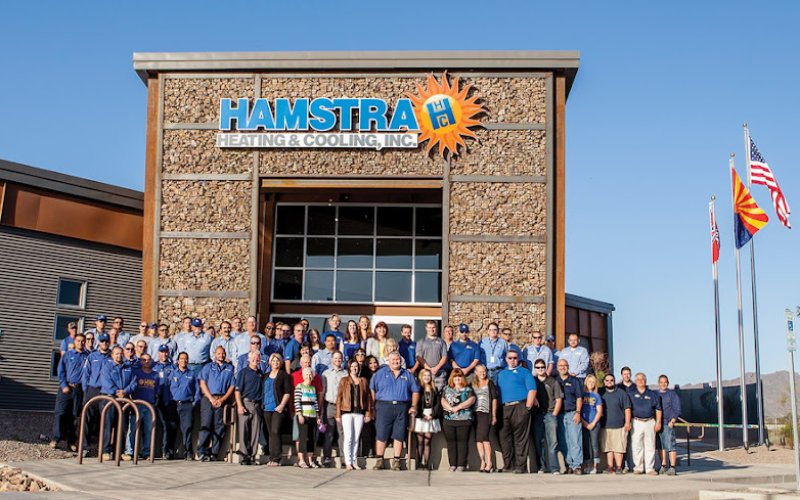
Hamstra Heating & Cooling
HVAC contractor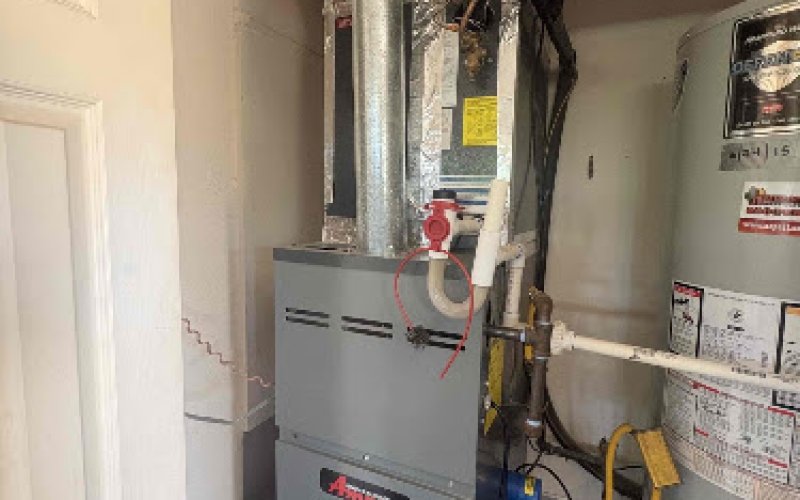
Intelligent Design Air Conditioning, Plumbing, Solar, & Electric
HVAC contractor
Rite Way Heating, Cooling & Plumbing
HVAC contractor
D&H Air Conditioning & Heating & Plumbing
HVAC contractor
Perry Heating, Cooling and Plumbing
HVAC contractor
Alaskan Air Conditioning & Heating Tucson
HVAC contractor
Parker & Sons
HVAC contractorAbout hvac repair in Tucson
Here's a weird truth about this town: your AC unit will probably die on the single hottest day of the year. Not in April when it's a mild 85 degrees. Not in October. It waits — like it knows — until the first real heat wave rolls through in June, compressors all over the city start dropping like flies, and suddenly every HVAC Services company in the metro is booked solid for a week. That's not bad luck. That's just how thermal stress works on a machine that's been idling through a Sonoran Desert summer for a decade.
The market here runs on that rhythm. Demand isn't steady and predictable the way it might be in, say, Seattle — it's spiky, seasonal, and brutal in both directions. Summer brings AC emergencies and replacement rushes. Winter, believe it or not, brings its own smaller wave when overnight temps in places like Oro Valley or up against the Catalinas dip into the 30s and furnaces that haven't run since March suddenly refuse to cooperate. In between those two peaks, you get the calmer stretches — spring and fall — where tune-ups, ductwork, and system upgrades happen at a more relaxed pace.
Who's calling? Mostly homeowners with a system on its last legs — a lot of Tucson housing stock has AC units and furnaces well past the age where you'd want to keep gambling on them. Add in a steady stream of new construction on the east side and in the Marana/Vail growth corridors, landlords maintaining rental portfolios in places like the west side or near the University area, and a growing number of people retrofitting older homes with mini-splits or zoned systems for efficiency. The market itself feels fragmented — a handful of larger, well-known outfits with fleets of trucks, and a long tail of smaller family-run operations and solo contractors who've been doing this for decades. Nobody dominates completely.
Catalina Foothills
- Area Profile: Higher-income, larger custom homes, a lot of retirees and professionals who expect responsiveness and don't blink at premium pricing.
- HVAC Services Activity: Zoned systems, high-efficiency full replacements, and mini-split additions for casitas or home offices are common asks here.
- Price Range: Tends to run on the higher end — full system jobs frequently land in premium territory given home size and equipment expectations.
- Local Note: Sprawling single-story layouts mean ductwork runs are long, so duct sealing and airflow balancing come up a lot more than in tighter, boxier neighborhoods.
Midtown / Sam Hughes
- Area Profile: Older, established neighborhood near the University with a mix of longtime owners and younger buyers renovating historic homes.
- HVAC Services Activity: A lot of legacy systems here — swamp coolers converted to refrigerated air, aging ductwork hidden in walls that weren't designed for it.
- Price Range: Mid-range for most repair work, though retrofits in older homes can push into premium territory once ductwork modification gets involved.
- Local Note: Historic district rules and tight attic/crawl spaces make installs trickier — contractors familiar with these older Tucson bungalows are worth seeking out specifically.
Marana
- Area Profile: Newer construction, young families, a fast-growing suburb on the northwest side of the metro.
- HVAC Services Activity: Mostly warranty work and routine maintenance on newer systems, plus a fair amount of builder-grade equipment getting upgraded a few years in.
- Price Range: Budget-to-mid-range dominates — systems are newer so it's more tune-ups and minor repairs than full replacements.
- Local Note: HOA rules in a lot of Marana developments dictate where outdoor units can sit and how they need to be screened, which can complicate replacement jobs.
South Tucson / South Side
- Area Profile: Lower-to-middle income, older housing stock, a strong rental presence.
- HVAC Services Activity: Repair-first mentality — patch it, keep it running, replace only when there's truly no choice. Landlords especially lean this way.
- Price Range: Budget end of the spectrum for most service calls; replacements are negotiated hard or delayed as long as possible.
- Local Note: A lot of window units and older split systems still in service here, so parts availability for older equipment matters more than in newer neighborhoods.
Oro Valley
- Area Profile: Comfortable, established, a mix of retirees and mid-career professionals with well-maintained homes.
- HVAC Services Activity: Preventive maintenance contracts are more common here than reactive emergency calls — people tend to stay ahead of problems.
- Price Range: Mid-range to premium, with steady demand for annual tune-up plans.
- Local Note: Slightly cooler winter nights against the mountains mean furnace reliability actually matters here more than it does closer to downtown.
📊 Current Price Points:
- Budget options: $75–$150 for a diagnostic or standard service call; minor repairs often land $150–$450
- Mid-range: $4,500–$8,500 for a standard AC or furnace replacement — this is where most transactions actually happen
- Premium: $9,000+ for full system replacements with zoning, high-SEER equipment, or ductless mini-split installs across multiple rooms
📈 Market Trends:
- Demand is heavily seasonal rather than steady — it spikes hard the week the first real heat wave hits, usually sometime in late spring, and again briefly during winter cold snaps
- Equipment and parts availability has generally stabilized compared to the supply crunches of a few years back, though certain high-efficiency units and specialty parts can still mean a wait
- Pricing has been drifting upward gradually, tracking equipment costs and the shift toward higher-efficiency standard requirements
- Emergency calls during a heat wave might mean a same-day or next-day wait at best; routine maintenance booked in the shoulder seasons can often be scheduled within a few days to a week
💰 What People Are Spending:
- Seasonal AC tune-up: typically $89–$200
- Standard repair (capacitor, fan motor, minor refrigerant issue): $150–$600
- Full system replacement (AC or furnace): $4,500–$9,000+ depending on size and efficiency tier
- Ductless mini-split installation: $3,000–$7,000+ per zone depending on complexity
Tucson's been growing steadily for a while now, with a lot of that growth happening on the outer edges — Marana, Vail, parts of the southeast side — rather than dense infill downtown. The University of Arizona, Raytheon/RTX, and a solid base of healthcare and defense-related employers anchor a lot of the local economy, and that mix skews toward a middle-income population overall with pockets of real wealth in the Foothills and Oro Valley.
Local Market Dynamics: The desert climate is really the whole story here. Extreme summer heat means AC systems get run harder and longer than almost anywhere else in the country, which shortens their working life and keeps replacement demand high. The competition landscape is fragmented — no single company owns the market, and that's generally good for customers because it keeps pricing somewhat competitive, though it also means quality varies a lot more than you'd like. Recent shifts in refrigerant regulations (the move away from older refrigerant types) have pushed up equipment costs somewhat and made some older systems more expensive to service when they need a recharge.
How This Affects Buyers: If your system uses an older refrigerant type and needs a top-off, that repair might cost noticeably more than it would have a few years ago — which is part of why a lot of contractors will nudge you toward replacement once a unit hits a certain age. It's worth getting a second opinion before committing to a full replacement, especially if the diagnosis is vague.
- ☀️ Spring/Summer: Highest demand of the year. Tune-ups in March/April are smart; by June you're competing with everyone else's AC emergency.
- 🍂 Fall: Quieter season — good window for furnace tune-ups and non-emergency replacements, often with better contractor availability.
- ❄️ Winter: A smaller surge during cold snaps when furnaces that sat idle all year decide not to cooperate. Otherwise fairly quiet.
- 📅 Peak months: June through August for AC emergencies; book routine maintenance in early spring or fall instead.
Timing Tips for Tucson: The best window for a non-emergency system replacement is generally fall through early spring, when demand is lower and contractors have more room in the schedule to actually plan the job instead of rushing it. Emergency call demand spikes hard the moment the first heat wave or cold snap hits — that's when you'll pay more and wait longer. Routine maintenance is worth scheduling a few weeks ahead rather than waiting until you need it.
Smart Timing Tips:- ✓ Get your AC tune-up done in March or April, before the rush starts
- ✓ Schedule furnace checks in October, well before the first cold night
- ✓ If replacing a system, aim for the shoulder seasons — you'll get more attention and often better pricing
- ✓ Don't wait until a heat wave to call about a system that's already showing warning signs
Credentials to Verify: In Arizona, HVAC contractors need to hold a license through the Arizona Registrar of Contractors (ROC) — you can and should look up any contractor's license status there. Technicians handling refrigerant are legally required to hold EPA Section 608 certification. NATE certification is a solid positive signal of technical competence, and manufacturer authorizations — like being a Trane Comfort Specialist or Carrier Factory Authorized Dealer — suggest a company has met a manufacturer's training and service standards.
Questions to Ask: How long has the company actually operated in Tucson (not just licensed in Arizona generally)? Can they provide references from local customers, ideally in your neighborhood? Are they upfront about pricing, parts warranty, and labor warranty before work starts?
⚠️ Red Flags Specific to Tucson HVAC Services:
- Recommending a full system replacement when a straightforward repair would fix the problem
- Topping off refrigerant repeatedly without diagnosing or fixing the actual leak
- No EPA 608 certification for a technician handling refrigerant — that's a legal requirement, not just a nice-to-have
- Price gouging on emergency no-heat/no-AC calls during extreme weather
Where to Check Complaints: The Arizona Registrar of Contractors keeps license and complaint records you can search. The BBB is another solid check. On Google and Yelp, look less at the star rating and more at the pattern in the actual review text — repeated complaints about upselling or no-shows matter more than one bad rating.
✓ Established presence in Tucson (not just passing through)
✓ Verifiable local reviews and references
✓ Transparent pricing, no hidden fees
✓ Clear process explained upfront
✓ Responsive communication
No verifiable ROC license
Refuses to put an estimate in writing
Pressures you into same-day replacement without a clear diagnosis
Can't explain warranty terms clearly when asked directly
Check Reviews & Ratings
We recommend verifying businesses through trusted review platforms before making a decision.
Frequently Asked Questions
Popular Categories in Tucson
Explore Other Cities
💧 HVAC Pros near Tucson
Professional Categories in Tucson, AZ
Related Services from Similar Professionals