Gilbert's Go-To HVAC Repair Services
Looking for someone to fix your AC before it dies on you completely? You're in the right place — here's a list of local Gilbert HVAC folks who actually know what they're doing.
Map of Businesses in Gilbert
All Listings in Gilbert
11 businesses
All Pro AC
HVAC contractor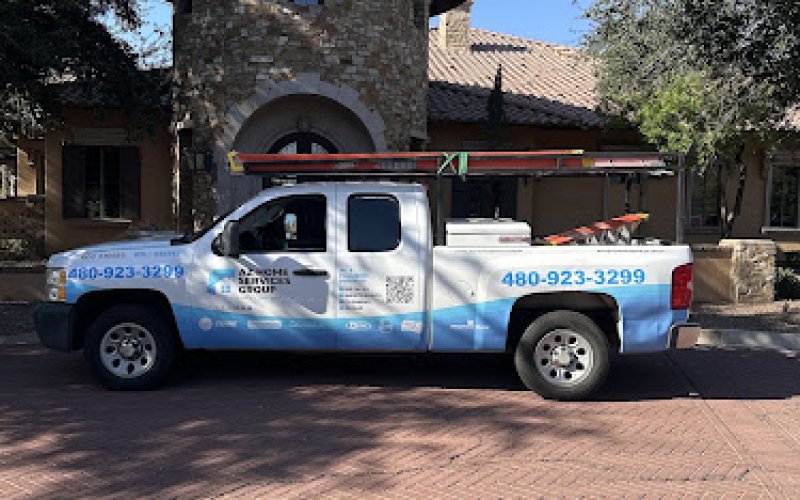
AZ Home Services Group AC Repair & Plumbing Services of Gilbert
HVAC contractor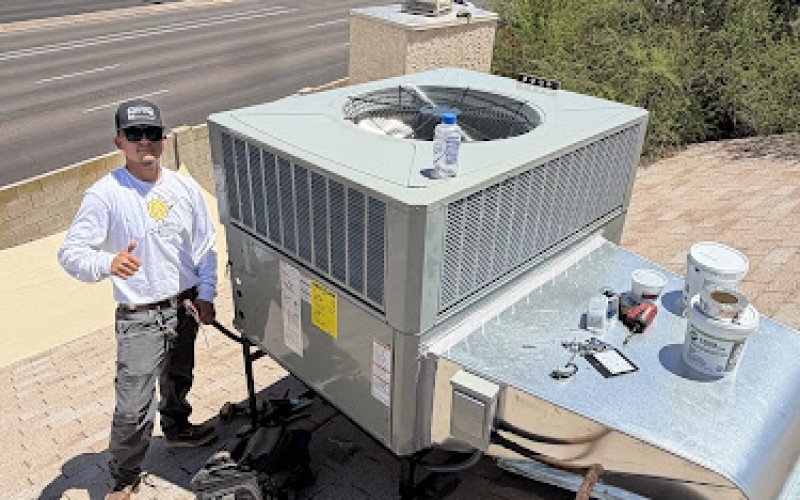
Sun Valley Air Conditioning & Heating
HVAC contractor
True North Air Conditioning
HVAC contractor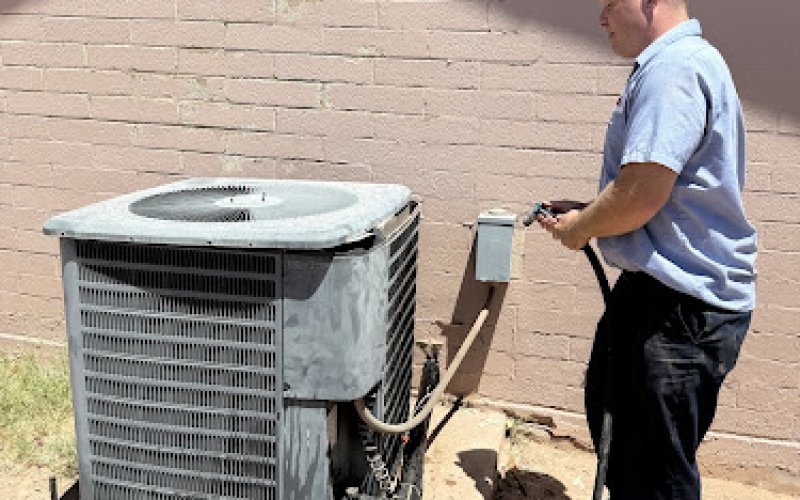
A/C & Plumbing Doctors
HVAC contractor
Efficiency Heating & Cooling LLC
HVAC contractor
Olive Air, Heating & AC Repair
HVAC contractor
Precise Air & Heating
HVAC contractor
Service Experts Gilbert
HVAC contractor
Valleywide Cooling
HVAC contractor
Ellsworth Air and Plumbing
HVAC contractorAbout hvac repair in Gilbert
Here's the thing about Gilbert: your AC unit doesn't fail on a mild Tuesday in March. It fails at 3pm on a July afternoon when the ground temp near the sidewalk is basically hot enough to fry an egg, and suddenly you're one of forty other households in the East Valley calling around for same-day help. That pattern — brutal, compressed demand spikes tied to heat — shapes almost everything about how HVAC Services work in this town.
The market here feels split into two very different rhythms. Summer is the main event: AC repair and emergency service calls flood in from May through September, with the first real heat wave of the season (usually whenever it first cracks 100+ for several days straight) triggering a noticeable rush. Winter is quieter, but not silent — Gilbert gets those overnight cold snaps in December and January that catch older furnaces off guard, especially in homes that haven't touched their heating system since move-in. It's a smaller season, but it's real.
Demand also comes from a few structural sources beyond weather. Gilbert's housing stock includes a good mix of newer builds (2000s-2020s) alongside older established pockets, so you've got aging AC units reaching the end of their realistic lifespan right alongside brand-new construction needing full system installs. Add in landlords maintaining rental units, homeowners chasing energy-efficiency upgrades to tame summer utility bills, and the fairly steady flow of new residents unfamiliar with desert-climate HVAC quirks — and you get a market that's busy pretty much year-round, just busiest in bursts. The market itself feels fragmented rather than dominated by one or two giants — a handful of established regional players, a bunch of smaller independent shops, and everything in between competing for the same pool of homeowners.
Val Vista Lakes
- Area Profile: Established, lake-adjacent community with a mix of long-time owners and move-up buyers. Mid-to-upper income, well-maintained homes built mostly in the 90s and 2000s.
- HVAC Services Activity: Lots of system replacements as original builder-grade units hit end of life. Tune-ups are common here too — people tend to stay on top of maintenance once they've owned a while.
- Price Range: Mid-range to premium, given larger lot sizes and often larger square footage homes.
- Local Note: Some HOA rules around exterior unit placement and screening — worth checking before installers show up with new condenser units.
Power Ranch
- Area Profile: Family-heavy master-planned community, younger homeowners, homes mostly from the early-to-mid 2000s.
- HVAC Services Activity: A lot of first-time-owner repair calls — people who inherited the original system and are just now hitting the "is it worth fixing or replacing" decision point.
- Price Range: Solid mid-range, budget-conscious but willing to spend on efficiency if the payback makes sense.
- Local Note: Many homes here are approaching that 15-20 year system age where full replacement conversations start becoming common.
Downtown Gilbert / Heritage District
- Area Profile: Older, more eclectic housing stock mixed with newer infill and some historic homes. More variety in income and home age than the master-planned suburbs.
- HVAC Services Activity: Ductwork issues and retrofits are more common here — older homes weren't always built with modern HVAC layouts in mind.
- Price Range: Wide range — anywhere from budget repair jobs to pricier retrofit projects depending on the home's age and condition.
- Local Note: Expect more surprises once walls or attics get opened up — older ductwork sometimes needs more than a simple swap.
Seville / Layton Lakes
- Area Profile: Higher-income, larger custom and semi-custom homes, golf-course adjacent in some pockets.
- HVAC Services Activity: Zoned systems and multi-unit setups are common given the larger square footage. Ductless mini-split add-ons for bonus rooms or casitas show up here too.
- Price Range: Premium end of the spectrum, reflecting bigger systems and more complex installs.
- Local Note: Bigger homes mean bigger cooling loads — undersized replacement systems are a real risk if a contractor doesn't do a proper load calculation.
Cooley Station / San Tan Valley border areas
- Area Profile: Newer growth corridor, younger buyers, lots of recent construction.
- HVAC Services Activity: Mostly new-construction warranty work and first-round maintenance rather than replacements — systems are still young.
- Price Range: Lower end for now, mostly tune-ups and minor service calls.
- Local Note: Give it another decade and this area becomes a replacement hotspot — for now it's steady, routine maintenance territory.
📊 Current Price Points:
- Budget options: $89-$250 (diagnostic/service call, minor repair)
- Mid-range: $4,500-$8,500 (standard AC or furnace replacement, most popular segment)
- Premium: $9,000+ (full system replacement, ductless mini-splits, zoned or multi-unit systems)
📈 Market Trends:
- Demand runs seasonal but the baseline keeps climbing as older Gilbert housing stock ages into replacement territory.
- Equipment availability has generally stabilized after a rocky stretch a few years back, though certain premium or high-efficiency models can still have longer lead times.
- Pricing has trended upward gradually, tracking material costs and the shift toward higher-efficiency equipment standards.
- The predictable Gilbert pattern holds: the first real heat wave triggers a surge in emergency AC calls, and the first cold snap does the same (smaller scale) for heating.
- Routine maintenance can usually be scheduled within a week or two. Emergency no-AC calls in peak summer can mean a same-day to 48-hour wait depending on the company and how bad the heat wave is.
💰 What People Are Spending:
- Seasonal AC tune-up: $75-$200 — the cheapest way to avoid a summer breakdown.
- Standard repair (capacitor, motor, refrigerant leak fix): $150-$800 depending on the part.
- Full system replacement: $4,500-$10,000+ depending on size, efficiency rating, and ductwork condition.
- Ductless mini-split installs: $3,000-$6,000+ per zone, popular for casitas and additions.
Economic Indicators: Gilbert has been one of the faster-growing East Valley suburbs for years now, with steady residential construction pushing outward toward the San Tan corridor. The town's economy leans on a mix of tech, healthcare, and general Phoenix-metro commuter employment, and household incomes here generally run a bit above the broader Phoenix-metro average. New rooftops keep going up, which means new HVAC systems, new warranty work, and eventually — years down the line — a fresh wave of replacements.
Local Market Dynamics: Demand here is climate-driven above almost everything else. Systems in Gilbert work harder than systems in milder climates, simply because they're fighting triple-digit heat for months at a stretch — that shortens equipment lifespan and keeps repair and replacement demand steady. The competitive landscape is fragmented: no single company dominates, so homeowners genuinely have leverage to shop around and compare quotes. Recent shifts in refrigerant regulations (the move away from older refrigerant types) and updated efficiency standards have also nudged replacement costs up somewhat and made "just recharge it" repairs less viable long-term for older units.
How This Affects Buyers/Customers: Practically, this means a homeowner in Higley Groves whose 14-year-old AC is low on refrigerant might get a repair quote that's almost as expensive as just replacing the unit — a direct result of older refrigerant becoming harder and pricier to source. It also means shopping two or three quotes isn't excessive, it's normal here.
- ☀️ Spring/Summer: Highest demand of the year. Spring (March-April) is prime time for tune-ups before the heat hits; June through August brings emergency repair surges when units finally give out under sustained load.
- 🍂 Fall: Slower season, often the best time to negotiate on replacements — companies have more availability and sometimes run promotions to keep crews busy.
- ❄️ Winter: Generally the quietest stretch, punctuated by short bursts of no-heat emergency calls during cold snaps in December/January.
- 📅 Peak months: Book early for anything non-urgent in April-May before the summer rush hits. Fall is your negotiating window.
Timing Tips for Gilbert: The smartest move is scheduling a full system replacement in fall or early spring rather than waiting for a July breakdown — you'll have more contractor availability and more room to compare pricing. Routine maintenance is worth booking 2-4 weeks ahead of peak season rather than the week before.
Smart Timing Tips:
- ✓ Get your AC tune-up done in March or early April, before the rush starts.
- ✓ If replacing an aging system, do it in fall — better pricing leverage and faster scheduling.
- ✓ Don't wait for a total breakdown in August to start shopping quotes — that's when you have the least leverage.
- ✓ Schedule furnace checks in October, well before the first genuinely cold night.
Credentials to Verify: In Arizona, HVAC contractors need to hold a valid license through the Arizona Registrar of Contractors (ROC) — that's the real regulatory body to check. Technicians handling refrigerant also need EPA Section 608 certification, which is a federal legal requirement, not optional. NATE certification is a solid positive signal for technician quality. Manufacturer authorizations — Trane Comfort Specialist, Carrier Factory Authorized Dealer, and similar — are also worth noting, since manufacturers vet these dealers before granting the designation.
Questions to Ask:
- How long has the company actually operated in Gilbert (not just the Phoenix metro broadly)?
- Can they provide references from customers in your specific neighborhood?
- Are pricing, parts warranty, and labor warranty all spelled out in writing before work starts?
⚠️ Red Flags Specific to Gilbert HVAC Services:
- Recommending a full system replacement when a straightforward repair would fix the problem.
- Topping off refrigerant repeatedly without diagnosing or fixing the actual leak.
- No EPA 608 certification for a technician handling refrigerant — that's a legal requirement, not just a nice-to-have.
- Price gouging on emergency no-heat/no-AC calls during extreme weather.
Where to Check Complaints: Start with the Arizona ROC's public complaint records, then cross-reference with the BBB and Google/Yelp reviews. On reviews, look for patterns rather than one-off complaints — recurring mentions of upselling, no-shows, or vague pricing matter more than a single bad review.
✓ Established presence in Gilbert (not just passing through)
✓ Verifiable local reviews and references
✓ Transparent pricing, no hidden fees
✓ Clear process explained upfront
✓ Responsive communication
No proof of ROC license or EPA 608 certification
Refusal to provide a written estimate
Pushy upselling toward full replacement before a proper diagnostic
No local references or reviews you can actually verify
Check Reviews & Ratings
We recommend verifying businesses through trusted review platforms before making a decision.
Frequently Asked Questions
Popular Categories in Gilbert
Explore Other Cities
💧 HVAC Pros near Gilbert
Professional Categories in Gilbert, AZ
Related Services from Similar Professionals