Fast, Reliable HVAC Repair Services in Tempe, AZ
Welcome to Tempe's go-to spot for finding HVAC help that won't leave you sweating it out (literally) in the Arizona heat! Browse our list of local repair pros who actually know their stuff and get your AC back up and running ASAP.
Map of Businesses in Tempe
All Listings in Tempe
11 businesses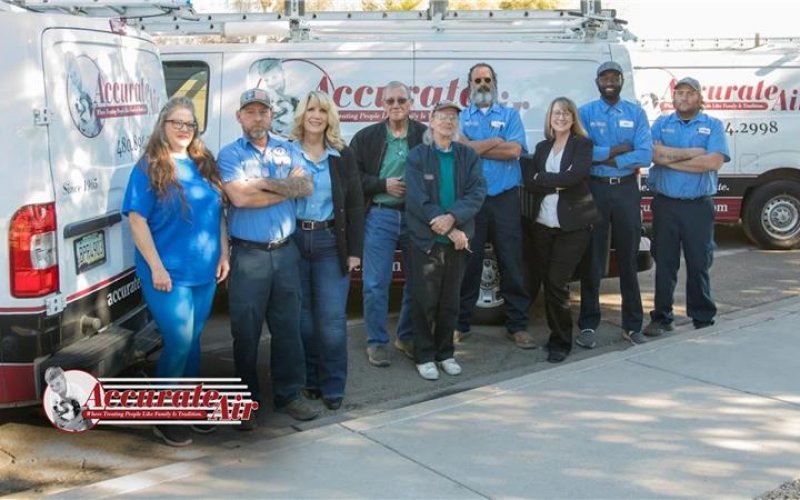
Accurate Air
HVAC contractor
AZ Home Services Group AC Repair & Plumbing Services
HVAC contractor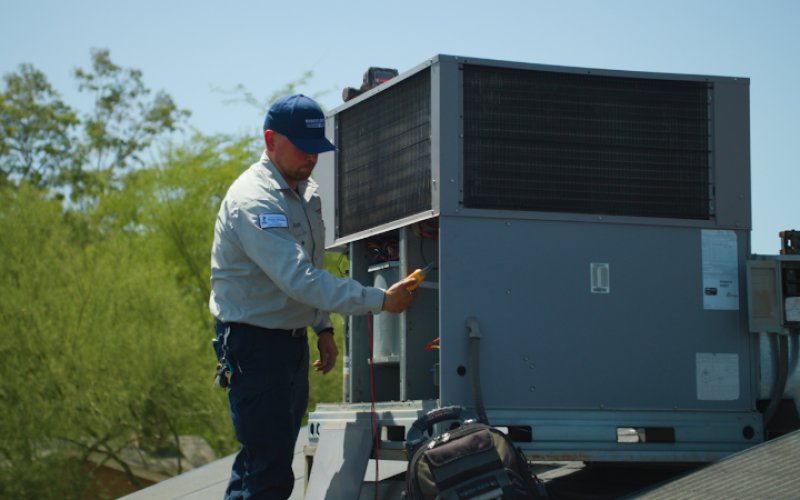
Rescue One Air Cooling, Heating & Plumbing
HVAC contractor
Collins Comfort Masters
HVAC contractor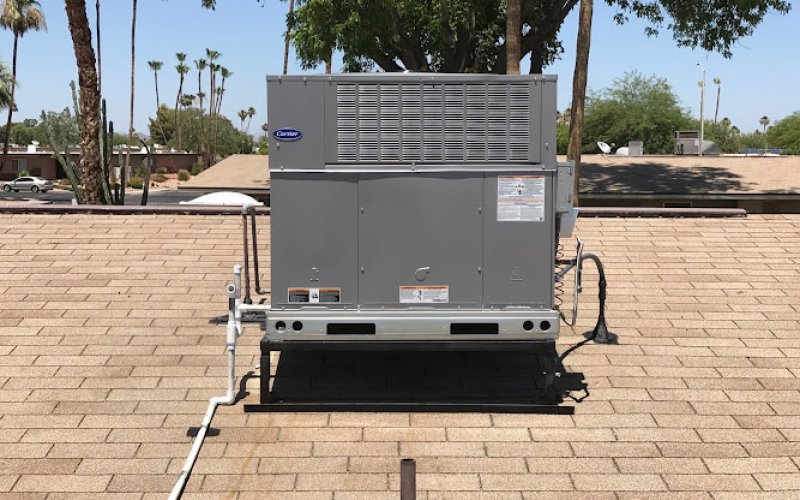
Just Better Air Conditioning and Heating LLC
HVAC contractor
One Hour Air Conditioning & Heating of Scottsdale
HVAC contractor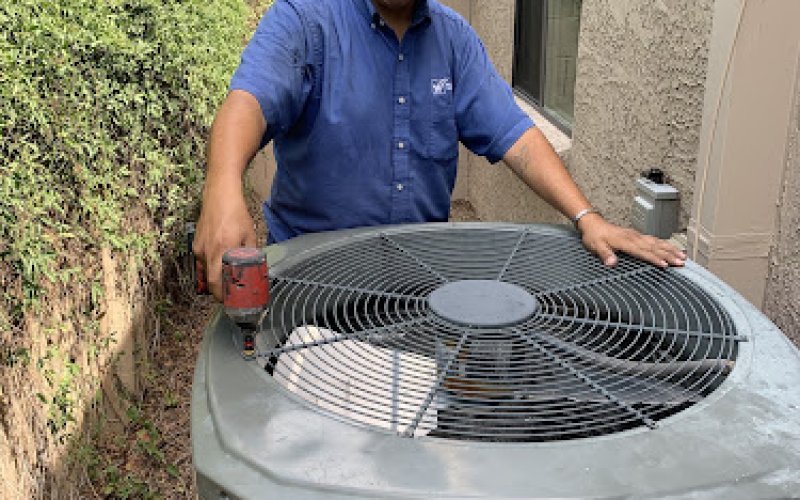
Wolfgangs Cooling, Heating & Plumbing
HVAC contractor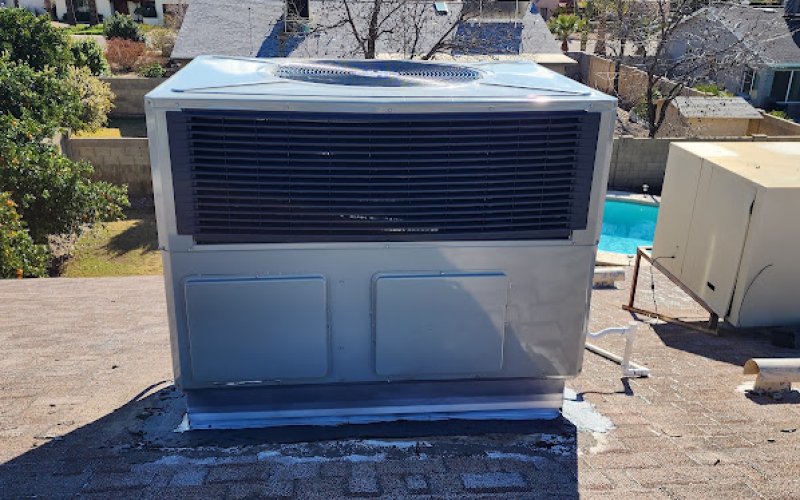
A/C Experts
HVAC contractor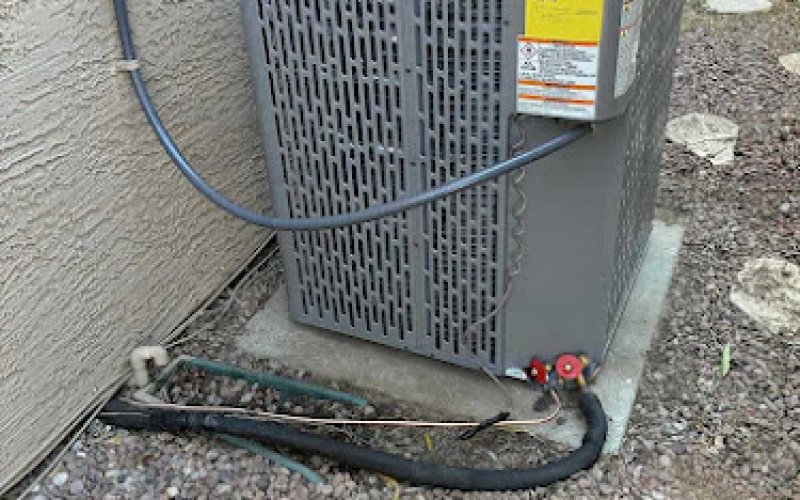
Alaskan Air Conditioning & Heating
HVAC contractor
Parker & Sons
HVAC contractor
Service Experts Tempe
HVAC contractorAbout hvac repair in Tempe
Here's the thing about Tempe — your AC doesn't fail in February. It fails in July, on the hottest day of the year, at like 4pm on a Friday, right when every other unit in your zip code decides to quit at the same time. That's not bad luck. That's just how thermal stress works on a compressor that's been running nearly nonstop since April. The entire local HVAC Services market bends around this one fact: summer is not a season here, it's a stress test, and systems either pass or they don't.
So the market itself feels pretty steady and a little fragmented — a mix of long-running local outfits, a few regional players with Valley-wide reach, and independent techs who've built a name through word of mouth in specific pockets of town. Demand comes from a few predictable places: aging systems in homes built during Tempe's big growth spurts, new construction in the newer subdivisions pushing east and south, landlords maintaining rental units near ASU who need reliability more than luxury, and homeowners finally biting the bullet on a mini-split or zoned system after one too many summers of uneven cooling upstairs.
What separates Tempe from, say, a market with real winters is that heating is almost an afterthought here — furnace work clusters into a short window, while AC service basically never stops being relevant. Systems here also run harder and age faster than the national norm because of how many months they're under real load. That changes what "routine maintenance" even means locally — it's less optional, more like an insurance policy you buy every spring whether you think you need it or not.
Downtown Tempe / Mill Avenue District
- Area Profile: A mix of student rentals, converted apartments, and newer high-rise condos near Mill Ave and the lake. Younger renters, some investor-owned units, higher turnover.
- HVAC Services Activity: Lots of repair calls on aging window and split units in older buildings, plus install work in the newer condo towers where mini-splits and compact ductless systems are the norm.
- Price Range: Repairs tend to run on the lower-to-mid end since units are often smaller square footage — think $150-$400 for common repairs.
- Local Note: Building management and HOA rules on rooftop/balcony equipment placement can slow down install timelines here more than almost anywhere else in the city.
South Tempe (near Warner Rd / Elliot Rd corridor)
- Area Profile: Established single-family neighborhoods, largely built in the 80s and 90s, solidly middle-to-upper-middle income, lots of long-term owners.
- HVAC Services Activity: Full system replacements are common here — a lot of these original units are well past their expected lifespan. Ductwork repair also comes up a lot in homes that haven't been touched since they were built.
- Price Range: Full replacements commonly land in the $5,000-$9,000 range depending on system size and efficiency tier.
- Local Note: Larger lot sizes and bigger square footage mean more homeowners are asking about zoned systems instead of one unit trying to cool the whole house evenly.
Kyrene Corridor / West Tempe
- Area Profile: Family-heavy, good school draw, a real mix of starter homes and mid-size single-family properties.
- HVAC Services Activity: Seasonal tune-ups are big here — a lot of these homeowners are proactive types who'd rather pay for a spring check than risk a July breakdown.
- Price Range: Tune-ups typically run $89-$180; repairs vary widely but often land $200-$600.
- Local Note: Plenty of these homes still have original ductwork from the 90s, which shows up as uneven cooling complaints more than outright system failure.
Riverview / North Tempe (near Rio Salado)
- Area Profile: Newer construction, planned communities, higher income skew, more remote workers and professionals.
- HVAC Services Activity: Energy-efficiency upgrades and smart thermostat integration requests are common — these buyers tend to research before they call.
- Price Range: Premium installs with high-efficiency or variable-speed systems often push $8,000-$14,000+.
- Local Note: Newer builds mean fewer emergency repair calls but more consultations about upgrading a "fine but not great" builder-grade system.
📊 Current Price Points:
- Budget options: $75-$180 (diagnostic/service call, minor repair)
- Mid-range: $4,500-$8,500 (standard AC or furnace replacement, most popular segment)
- Premium: $9,000+ (full system replacement, ductless mini-splits, zoned systems)
📈 Market Trends:
- Demand is rising steadily overall, with sharp seasonal spikes rather than a flat climb — the moment that first real heat wave hits in late April or May, call volume jumps almost overnight.
- Equipment and parts availability has generally stabilized compared to the supply chain chaos of a few years back, though certain higher-efficiency units still see longer lead times than standard models.
- Pricing has been drifting upward gradually, tracking with material costs and ongoing efficiency-standard changes rather than any single dramatic jump.
- Fall brings a genuine, if smaller, second bump — furnace tune-ups and duct sealing before the (brief) cold season.
- Emergency work in peak summer often gets same-day or next-day attention out of necessity; routine maintenance booked in the off-season can sometimes wait one to two weeks.
💰 What People Are Spending:
- Seasonal AC tune-up: $89-$200
- Standard repair (capacitor, motor, minor refrigerant issue): $200-$700
- Full system replacement: $4,500-$9,500
- Ductless mini-split install: $3,500-$7,000 per zone, more for multi-zone setups
Economic Indicators: Tempe's population has kept growing steadily, driven partly by ASU's footprint and the tech/office presence that's built up around it — companies in the general orbit of the East Valley's tech and finance corridor keep housing demand active. New residential development continues to push into the corners of the city that had room to grow, while established neighborhoods stay pretty stable in terms of turnover. Income levels here run a fairly normal spread for the Phoenix metro — not uniformly wealthy, not depressed, just a broad middle with pockets of higher-income newer development.
Local Market Dynamics: Climate extremes are the single biggest demand driver, full stop. Add in a housing stock that includes a real number of homes now old enough that original HVAC equipment is aging out, and you get consistent replacement demand layered on top of the emergency repair spikes. Competition feels fragmented rather than dominated by one or two names — plenty of independent and small-crew operations compete alongside bigger regional companies, which keeps pricing somewhat competitive across the board. Efficiency-standard updates and refrigerant regulation changes in recent years have also nudged more homeowners toward full replacement instead of patching an old R-22 system that's getting harder to service.
How This Affects Buyers/Customers: Practically, this means you've got real choice — but it also means quality varies more than in a market dominated by one or two big players. A homeowner near Kyrene comparing quotes might see a $2,000 spread between bids for what looks like the same job, and that gap usually comes down to equipment tier, warranty terms, or plain old markup rather than anything sneaky.
- ☀️ Spring/Summer: Highest demand of the year. Spring is prime time for tune-ups before the heat arrives; once summer hits, it's mostly emergency repair calls and companies running at full capacity.
- 🍂 Fall: A real but smaller demand bump — furnace tune-ups, duct sealing, and folks finally scheduling that replacement they put off all summer.
- ❄️ Winter: The slow season. Occasional no-heat emergency calls during cold snaps, but overall this is when companies have room to negotiate.
- 📅 Peak months: Book early for late spring/early summer work; winter is your negotiating window for non-urgent installs.
Timing Tips for Tempe: The best window for a non-emergency replacement is honestly winter into early spring — companies have slower schedules and are often more flexible on pricing. Emergency call demand spikes hard the first week temperatures cross into the triple digits, and again during any surprise late-season heat wave. Routine maintenance should ideally get scheduled a few weeks ahead of peak season, not the week before.
- ✓ Schedule your AC tune-up in February or March, before the spring rush
- ✓ Get replacement quotes in winter when crews have more availability
- ✓ Don't wait for the first 100-degree day to test your system
- ✓ Ask about maintenance plans that lock in priority scheduling during peak months
Credentials to Verify: In Arizona, contractors doing HVAC work need a license through the Arizona Registrar of Contractors (ROC) — that's your first check. Technicians handling refrigerant are legally required to hold EPA Section 608 certification, no exceptions. NATE certification is a solid signal of technical competence beyond the legal minimums. Manufacturer authorizations — Trane Comfort Specialist, Carrier Factory Authorized Dealer, that kind of thing — are a good positive signal too, since manufacturers vet these companies before handing out the badge.
Questions to Ask: How long has this company actually operated in Tempe specifically, not just "the Valley" broadly? Can they provide references from customers in your neighborhood? Are they upfront about pricing, parts warranty length, and labor warranty terms before you sign anything?
⚠️ Red Flags Specific to Tempe HVAC Services:
- Recommending a full system replacement when a straightforward repair would fix the problem
- Topping off refrigerant repeatedly without diagnosing or fixing the actual leak
- No EPA 608 certification for a technician handling refrigerant — that's a legal requirement, not just a nice-to-have
- Price gouging on emergency no-heat/no-AC calls during extreme weather
Where to Check Complaints: Start with the Arizona Registrar of Contractors for license status and any formal complaints. The BBB is a decent secondary check. And on Google/Yelp, don't just look at the star average — read for patterns, especially repeat complaints about upselling or no-shows during summer's busy season.
✓ Established presence in Tempe (not just passing through)
✓ Verifiable local reviews and references
✓ Transparent pricing, no hidden fees
✓ Clear process explained upfront
✓ Responsive communication
Check Reviews & Ratings
We recommend verifying businesses through trusted review platforms before making a decision.
Frequently Asked Questions
Popular Categories in Tempe
Explore Other Cities
💧 HVAC Pros near Tempe
Professional Categories in Tempe, AZ
Related Services from Similar Professionals