Mesa, AZ's Trusted HVAC Repair Services
Looking for someone to fix your AC before it dies completely in this Mesa heat? You're in the right place—browse our list of local HVAC pros who actually know what they're doing.
Map of Businesses in Mesa
All Listings in Mesa
11 businesses
ASAP Air Conditioning And Heating
HVAC contractor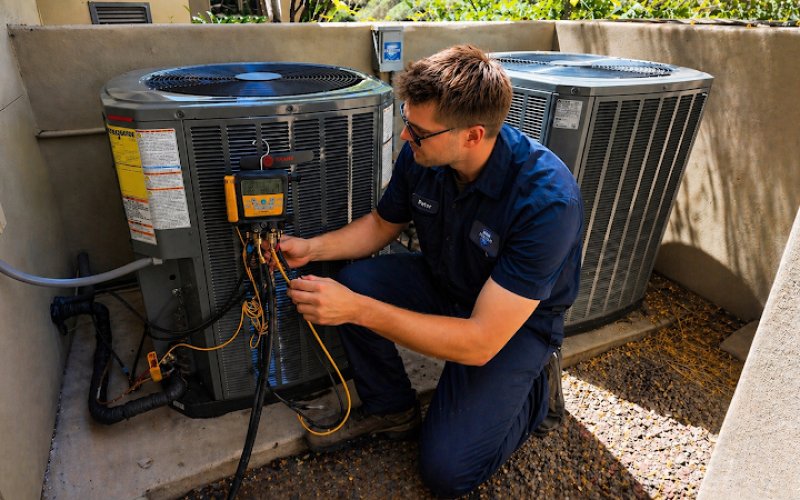
Comfort Experts
HVAC contractor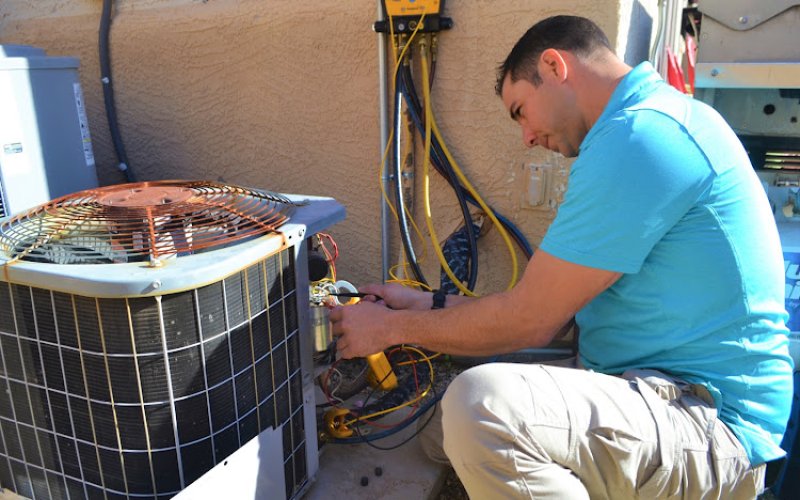
Complete Comfort Home Services
HVAC contractor
John's Heating, Cooling, and Plumbing
HVAC contractor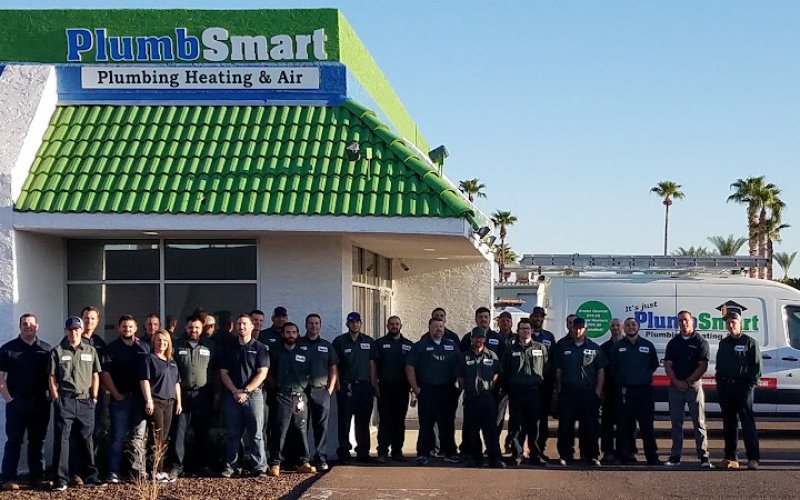
PlumbSmart Plumbing Heating and Air
HVAC contractor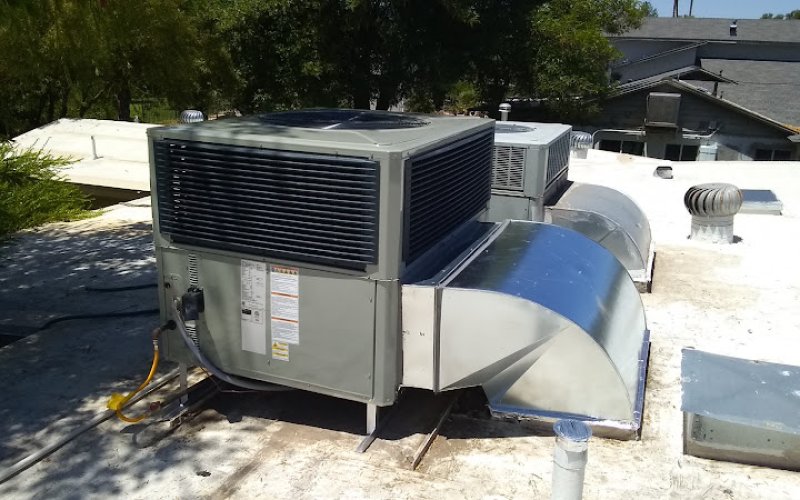
Red Mountain Air Conditioning
HVAC contractor
Service Experts Gilbert
HVAC contractor
Air Care Cooling, Heating and Plumbing
HVAC contractor
Rainforest Plumbing & Air
HVAC contractor
Semper Fi Heating and Cooling
HVAC contractor
Western States Home Services
HVAC contractorAbout hvac repair in Mesa
Here's a number that stopped me mid-coffee last week: the average Mesa homeowner now spends approximately $2,850 on AC repair and replacement combined per year during peak season, and that's up nearly 18% from just two summers ago. If you've lived here through a July power bill, you already know why—but the scale of it still surprises people who just moved from, say, Portland.
Mesa's HVAC repair market isn't like most cities' because our systems basically never get to rest. We're talking 100+ days a year above 100°F, which means AC units here work maybe triple the annual hours of a system in Denver or even Phoenix's milder pockets near South Mountain. That constant strain drives a repair cycle that's frankly relentless—compressors burn out faster, capacitors fail on schedule almost like clockwork around year 7-8, and refrigerant leaks show up earlier than manufacturer specs suggest they should. Local techs will tell you off the record that Mesa is basically a stress test nobody signed up for.
Demand-wise, Mesa's population has grown roughly 2.1% annually over the past three years (per Maricopa Association of Governments data), and a lot of that growth is happening in newer builds out toward Eastmark and Signal Butte Road—areas where builder-grade HVAC units are now hitting that 8-10 year mark where things start breaking. Add in older housing stock in central Mesa near Fiesta District, some of it from the 70s and 80s, and you've got two very different customer profiles driving the same overall demand: young families in new construction dealing with warranty gaps, and longtime homeowners nursing systems well past their expected lifespan. With 11 established repair businesses serving the metro directory here, competition is real but nowhere near saturated given the volume of service calls this heat generates.
Eastmark
- Area Profile: Newer master-planned community, younger families, median household income around $95,000, lots of first-time homebuyers in their 30s.
- HVAC Repair Activity: Mostly warranty-adjacent repairs and smart thermostat integration requests. Builder-grade units (think Trane or Goodman base models) starting to show wear right on schedule.
- Price Range: $150-$400 for standard service calls; full system diagnostics often bundled.
- Local Note: HOA rules here mean equipment placement and noise ordinances actually matter—techs who don't know this get complaints fast.
Dobson Ranch
- Area Profile: Established since the 70s-80s, mix of original owners and younger families who bought in for the lake access and mature trees. Older housing stock.
- HVAC Repair Activity: Full system replacements are common—a lot of original ductwork and units well past 15 years old.
- Price Range: Repairs run $200-$600; replacements frequently push $5,000-$8,500.
- Local Note: Old-timers here know their system's quirks better than most techs do on the first visit—expect detailed troubleshooting conversations.
Downtown Mesa / Fiesta District
- Area Profile: Mixed residential and commercial, historic homes alongside newer infill, lower median income (~$58,000), higher rental percentage.
- HVAC Repair Activity: Emergency repairs dominate—landlords fixing just enough to pass, renters calling for same-day service on dead units mid-summer.
- Price Range: $100-$350, budget-conscious segment, lots of price shopping happening.
- Local Note: Older window units and mini-splits still common in some historic pockets near Main Street—not every tech carries parts for these.
Las Sendas
- Area Profile: Higher-end, foothills location near the Salt River, median income north of $120,000, larger homes with multi-zone systems.
- HVAC Repair Activity: Premium service contracts, dual-zone system maintenance, high-efficiency unit installs.
- Price Range: $300-$900 for service; full replacements often $10,000+.
- Local Note: Homeowners here expect white-glove service and same-week scheduling—they'll pay for it too.
📊 Current Price Points:
- Budget options: $89-$150 (diagnostic visit + minor fix, capacitor swap, thermostat reset)
- Mid-range: $250-$650 (compressor issues, refrigerant recharge, motor replacement)
- Premium: $700+ (full component replacement, ductwork repair, emergency after-hours service)
📈 Market Trends: Demand is up about 14% year-over-year according to regional service call data, driven largely by that population growth and aging inventory hitting failure windows simultaneously. Supply of qualified techs hasn't kept pace though—labor shortages mean scheduling in peak July can stretch to 3-5 days out, up from same-day service that was typical five years ago. Pricing overall is climbing roughly 6-8% annually, partly refrigerant costs (R-410A phase-out is real and it's expensive), partly labor. Average time to complete a standard repair call runs 90 minutes to 2 hours; full replacements typically take a full day, sometimes two if ductwork needs work. 💰 What People Are Spending:
- AC repair/tune-up: average $275
- Full system replacement: average $7,200
- Emergency after-hours calls: average $425
- Annual maintenance contracts: average $180-$220/year
- Ductwork repair/replacement: average $1,800
Economic Indicators: Mesa's population sits around 518,000 now, growing roughly 2% annually. Major employers include Banner Health, Boeing's Mesa facility, and a growing semiconductor presence tied to the broader East Valley tech corridor. Median household income runs about $68,500, slightly above the Arizona state average of $65,900. New development around the Elliot Road Tech Corridor and continued buildout near Eastmark keeps adding housing stock that'll need HVAC service within the decade.
Local Market Dynamics: What drives repair demand here specifically is heat exposure combined with housing age diversity—you've got 1970s ranch homes and 2024 new builds needing service on the same street sometimes. Competition among the 11 directory-listed businesses is moderate; a few have built reputation over 15+ years, others are newer entrants riding the growth wave. Recent disruption has come from refrigerant regulation changes pushing up parts costs across the board.
How This Affects Buyers/Customers: Practically speaking, if your unit's original R-22 based, expect sticker shock on any major repair since that refrigerant's essentially being phased out—techs will likely push replacement over repair once you hit that conversation. I've seen homeowners in Dobson Ranch quoted $1,200 for a recharge on old units versus just replacing the whole system for $6,500 with better efficiency long-term.
Mesa Seasonal Patterns:
- ☀️ Spring/Summer: Demand peaks hard June through August—this is when everything breaks, and scheduling gets tight. Expect premium pricing and longer waits.
- 🍂 Fall: Demand drops noticeably, September-November is when techs actually have breathing room. Best window for negotiating maintenance contracts.
- ❄️ Winter: Slowest season by far. Some companies offer 15-20% discounts on tune-ups just to keep crews busy.
- 📅 Peak months: July-August you need service, book fast. January-February you can shop around and negotiate.
Timing Tips for Mesa: Best deals show up January through March, before the heat ramps back up. Inventory of available appointment slots is highest in winter months. Tax season (Feb-April) sometimes correlates with people finally springing for that system replacement they've been putting off using refund money.
Smart Timing Tips:
✓ Schedule your annual tune-up in March, before summer demand spikes
✓ Avoid emergency calls in July if at all possible—preventive maintenance in spring saves money
✓ Ask about off-season contract pricing, many companies lock in lower rates for winter sign-ups
✓ Replace aging systems (12+ years) in fall/winter, not mid-summer when you're desperate
Credentials to Verify: Arizona requires HVAC contractors to hold a license through the Arizona Registrar of Contractors (ROC)—always verify this online, it takes two minutes. Look for NATE certification on individual techs too, that's the industry gold standard for competency. Membership in ACCA (Air Conditioning Contractors of America) is a good signal, though not universal even among solid companies.
Questions to Ask: How long have they specifically operated in Mesa (not just "the Valley" broadly)? Can they provide two or three local references, ideally from your same neighborhood type? Will they put pricing in writing before starting work?
⚠️ Red Flags Specific to Mesa HVAC repair:
- Door-to-door "storm damage" or "we noticed your unit" solicitors during peak heat—almost always a scam angle
- Quotes that balloon significantly once they're already in your attic or backyard
- Pressure to replace instead of repair without a clear diagnostic explanation
- No physical Mesa address listed, just a call center or out-of-state number
Where to Check Complaints: Arizona ROC website for license verification and complaint history. BBB Southwest Arizona for pattern complaints. On Google/Yelp, watch for reviews mentioning "upsold" or "quoted differently after arrival"—that pattern repeats with problem companies.
✓ Established presence in Mesa (not just passing through)
✓ Verifiable local reviews and references
✓ Transparent pricing, no hidden fees
✓ Clear process explained upfront
✓ Responsive communication, especially during emergency calls
Check Reviews & Ratings
We recommend verifying businesses through trusted review platforms before making a decision.
Frequently Asked Questions
Popular Categories in Mesa
Explore Other Cities
💧 HVAC Pros near Mesa
Professional Categories in Mesa, AZ
Related Services from Similar Professionals