San Francisco's Go-To HVAC Repair Services
Welcome to your one-stop spot for finding reliable HVAC help in San Francisco! Whether your heater's acting up in the fog or your AC needs a tune-up before the rare heat wave, we've got local pros ready to help.
Map of Businesses in San Francisco
All Listings in San Francisco
12 businesses
Acosta Heating & Sheet Metal
HVAC contractor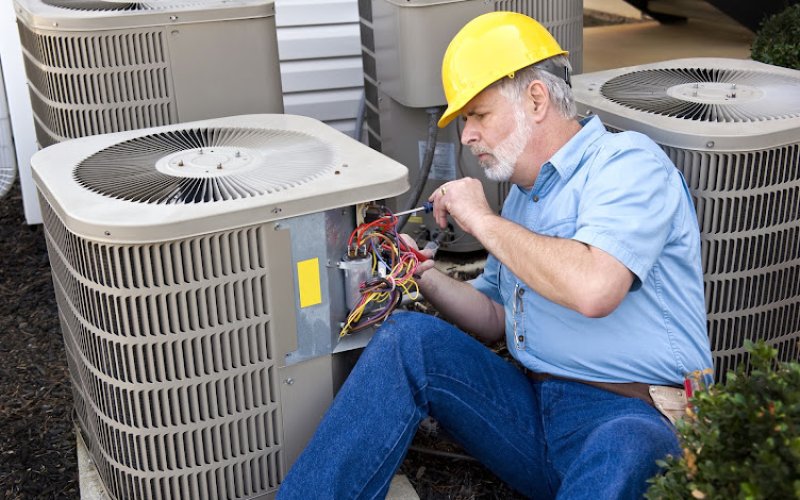
Heating And Air Experts
HVAC contractor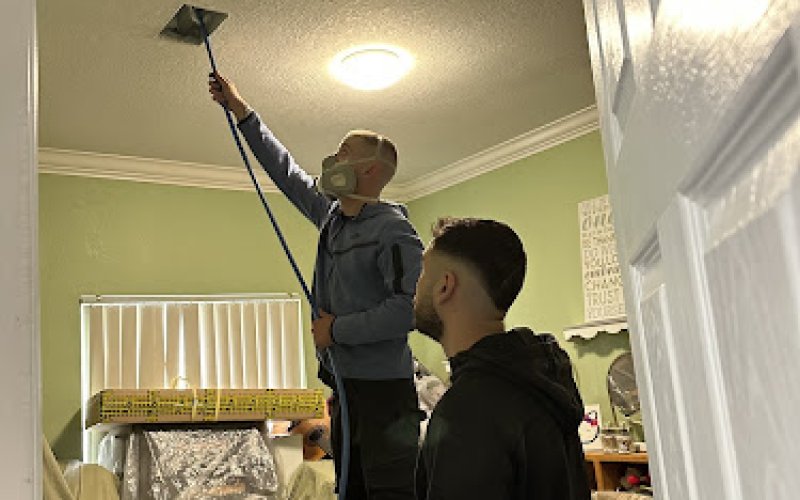
Around The Clock HVAC
HVAC contractor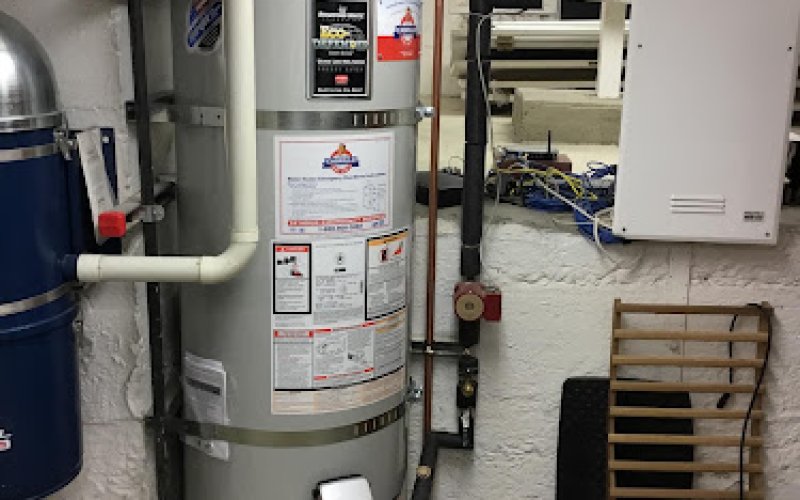
Cabrillo Plumbing, Heating & Air
HVAC contractor
Duboce Triangle Air Conditioner Repair
HVAC contractor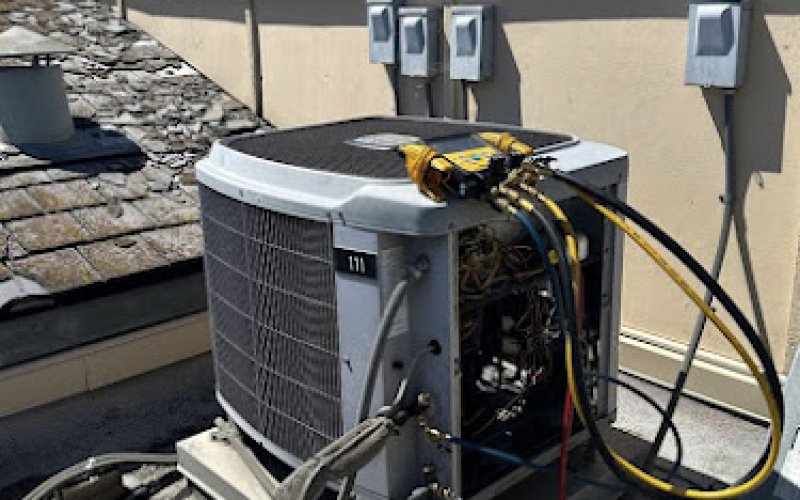
Inner Sunset Top Heating and Air
Contractor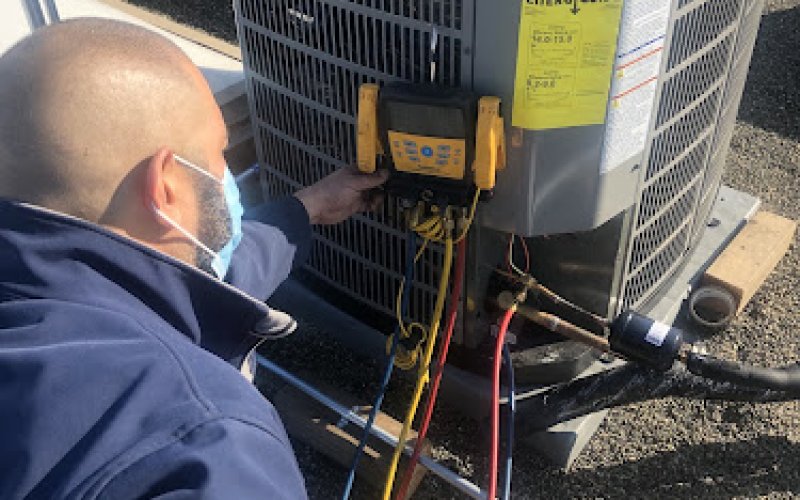
Magic Plumbing Heating & Cooling
HVAC contractor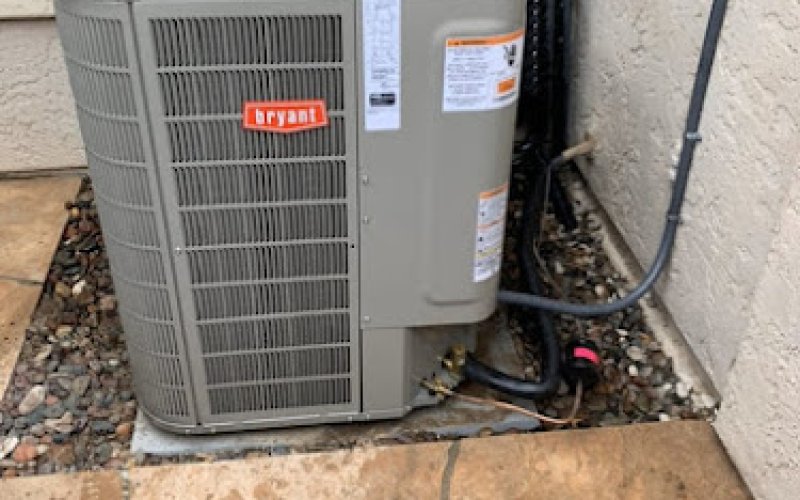
San Francisco Expert Heating and Air
HVAC contractor
Air Flow Pros Heating and Air Conditioning
HVAC contractor
Associated Heating of San Francisco
HVAC contractor
Next HVAC and Appliance repair
HVAC contractor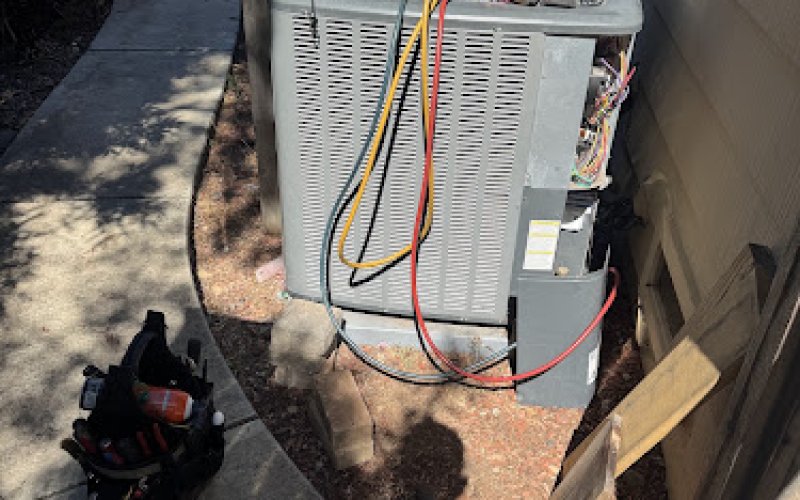
Heating and Air
HVAC contractorAbout hvac repair in San Francisco
Here's the thing about San Francisco: half the city doesn't have air conditioning, and the other half wishes they didn't need it. That's not a joke, it's basically a climate fact. Fog rolls through the Sunset and Richmond most of the year while the Mission and Noe Valley bake in their own little microclimate a few miles away — and that split personality shapes the entire HVAC Services market here in a way you just don't see in Phoenix or Dallas.
So demand doesn't follow the calendar the way it does in most cities. A hot September afternoon (and San Francisco does this thing where September and October run warmer than July) can flood phone lines with AC repair calls from people whose units haven't been touched in a decade. Then two weeks later it's back to 58 degrees and foggy, and those same homeowners are calling about a furnace that won't kick on. Add in the city's aging housing stock — a lot of Victorians and Edwardians with knob-and-tube wiring and zero ductwork to begin with — and you've got a market driven as much by retrofits and creative workarounds as by straightforward system swaps.
The market itself feels fragmented rather than dominated by one or two big players. You've got small crews who've worked the same few zip codes for years, a handful of larger regional outfits with fleets of trucks, and a rotating cast of independent contractors who do this alongside general handyman work. Customers tend to fall into three buckets: homeowners in older houses dealing with a system that's finally quit, landlords maintaining rental units across multiple properties (a big deal in a city with this much multi-unit housing), and new construction or major remodels where mini-split and zoned systems get designed in from scratch. That last group is growing — new builds in places like Mission Bay and Dogpatch increasingly skip traditional ducted systems entirely in favor of ductless heat pumps.
Sunset District
- Area Profile: Dense rows of mid-century homes, a lot of long-time owners and multigenerational families, more middle-income than people assume given the city's reputation.
- HVAC Services Activity: Heavy on heating repair and furnace replacement — the fog belt means heat runs a lot more than AC here. Wall furnaces and older gravity systems are still common and often need full swaps rather than patch jobs.
- Price Range: Furnace replacement commonly lands $4,500–$9,000 depending on system type and whether ductwork needs rework.
- Local Note: Narrow lots and tight crawl spaces make installation labor slower here than almost anywhere else in the city — factor that into quotes that seem "high" on paper.
Noe Valley
- Area Profile: Higher-income families, renovated Victorians, a lot of folks who bought 10-20 years ago and have since done major remodels.
- HVAC Services Activity: Ductless mini-split installs are big here, especially as part of larger remodel projects. Zoned heating for multi-story homes is also a common ask.
- Price Range: Mini-split systems (multi-zone) often run $8,000–$18,000+ depending on number of heads and complexity.
- Local Note: Noe Valley gets more direct sun than the fog-belt neighborhoods, so it's one of the few areas where actual central AC requests show up with any regularity.
SoMa / Mission Bay
- Area Profile: Newer condo and apartment stock, younger professional population, a lot of renters and recent buyers in high-rises.
- HVAC Services Activity: Mostly maintenance contracts and repair on existing building systems — PTAC units, in-unit heat pumps, building-managed HVAC. Less "replace the whole system" work, more service calls and filter/coil maintenance.
- Price Range: Routine service calls typically $150–$350; larger unit-level repairs can run higher depending on part availability.
- Local Note: HOA and building management rules dictate a lot here — equipment placement, noise restrictions, and access windows for techs are tighter than in single-family neighborhoods.
Richmond District
- Area Profile: Similar bones to the Sunset — older housing, family-oriented, a strong mix of long-time residents and newer buyers drawn by relative affordability.
- HVAC Services Activity: Old wall furnaces, floor furnaces, and gas heaters that are decades old and finally failing. Tune-ups and safety inspections (carbon monoxide checks especially) are a steady seasonal draw.
- Price Range: Basic tune-up/safety inspection often $100–$250; full furnace swap similar to Sunset pricing, $4,500-$9,000 range.
- Local Note: A lot of these homes were never built with adequate ventilation for modern systems, so permitting and code compliance conversations come up more here than elsewhere.
Pacific Heights / Marina
- Area Profile: Higher income, larger and more expensive homes, more willingness to pay for premium equipment and faster service.
- HVAC Services Activity: Full zoned systems, high-end mini-splits, smart thermostat integration, and larger-scale replacements tied to whole-home renovations.
- Price Range: Full system installs frequently exceed $15,000–$25,000 for larger homes with multiple zones.
- Local Note: Historic building requirements and stricter permitting in some blocks can add real time to installs — budget extra weeks, not just extra dollars.
📊 Current Price Points:
- Budget options: $125–$300 (diagnostic visit, minor repair, filter/coil service)
- Mid-range: $3,500–$9,000 (standard furnace replacement or single-zone mini-split, most common job type citywide)
- Premium: $12,000+ (multi-zone ductless systems, full zoned heating/cooling for larger homes)
📈 Market Trends:
- Demand is steady year-round but spikes hard and fast around the city's occasional heat waves — even a few days above 85°F sends AC-related calls up sharply since so few homes have cooling installed.
- Ductless heat pump demand is climbing steadily, partly driven by energy-efficiency interest and partly because they solve the "no ductwork" problem in older homes.
- Equipment and parts availability has generally stabilized compared to a few years back, though certain refrigerant types tied to regulatory phase-outs can still cause delays on older system repairs.
- Pricing has been drifting upward gradually — not dramatically — in line with labor costs and equipment costs generally.
- Emergency repairs during a cold snap or heat spike often mean a 1–3 day wait even with a good company; routine maintenance booked in the shoulder seasons (spring, early fall) can often get scheduled within a week or two.
💰 What People Are Spending:
- Seasonal tune-up / safety inspection: $100–$300
- Standard repair (motor, capacitor, thermostat, minor part): $200–$800
- Furnace replacement: $4,000–$9,000
- Mini-split / ductless system install: $6,000–$20,000+ depending on zones
- Full ducted system replacement (less common here, but happens in larger homes): $10,000–$25,000
Economic Indicators: San Francisco's population has had its ups and downs post-pandemic but housing demand in general remains strong, and remodel/renovation activity has stayed steady even when broader market sentiment gets shaky. The city's economy still leans heavily on tech, finance, biotech, and tourism, and while none of that directly sells furnaces, it does support the kind of household income that funds bigger remodel-driven HVAC projects. Development continues in pockets like Mission Bay, Dogpatch, and parts of the Bayview, mostly multi-unit residential — which tends to favor in-unit ductless systems over large ducted installs.
Local Market Dynamics: Demand here is less about brutal weather extremes (compared to, say, Phoenix summers or Minnesota winters) and more about an aging housing stock that was never designed with modern HVAC in mind. A huge share of the job in San Francisco is retrofitting — figuring out how to add cooling or better heating to a 1920s house with plaster walls and no ducts. Competition among providers is fragmented: no single company dominates, and a lot of business still flows through word of mouth and neighborhood reputation. Refrigerant regulation changes and rising efficiency standards have pushed some older repair-only businesses to either upgrade their certifications or shift toward replacement-focused work.
How This Affects Buyers/Customers: If you own a Sunset District home with a furnace from the Clinton administration, expect a conversation about whether repair even makes financial sense anymore. If you're in a SoMa high-rise, you're mostly dealing with building-level service contracts rather than picking your own contractor. And if you're renovating in Noe Valley or Pacific Heights, budget for permitting time — it's a bigger factor here than the equipment cost itself in some cases.
- ☀️ Spring/Summer: Moderate steady demand, with sharp short-lived spikes during actual heat waves — AC tune-up requests climb right before the first genuinely warm week hits.
- 🍂 Fall: Often the best window for deals and availability — furnace tune-ups before the cold arrive, and companies aren't slammed with emergency calls yet.
- ❄️ Winter: No-heat emergency calls surge during cold snaps, especially in older Sunset/Richmond homes with failing furnaces. Prices for emergency same-day service tend to sit higher this time of year.
- 📅 Peak months: Book installs in spring or early fall if you can. If you're waiting until the first cold night of the year to call about your furnace, expect to wait — and possibly pay a premium.
Non-emergency installs are cheaper and faster to schedule in the shoulder seasons — think April/May or September/October. Emergency demand spikes right after the first real cold snap (usually November-ish) and again during any surprise heat wave. Routine maintenance should generally get booked 2–4 weeks ahead if you want your pick of appointment times, especially heading into winter.
Smart Timing Tips:- ✓ Schedule furnace tune-ups in September, before the first cold snap creates a backlog.
- ✓ If you're installing a mini-split system, spring gives contractors more scheduling flexibility than peak summer or winter.
- ✓ Don't wait for a heat wave to check your AC — a five-minute inspection in May beats an emergency call in August.
- ✓ Get quotes from at least two companies if it's a non-emergency job — pricing varies more than you'd expect across neighborhoods.
- Valid California C-20 HVAC contractor license through the Contractors State License Board (CSLB) — checkable online, and worth actually checking.
- EPA Section 608 certification for any technician handling refrigerant — this one's federal law, not optional.
- NATE certification is a solid positive signal, though not legally required.
- Manufacturer authorization (Trane Comfort Specialist, Carrier Factory Authorized Dealer, or similar) suggests a company invests in ongoing training.
- How long have you worked in San Francisco specifically — not just the greater Bay Area?
- Can you provide references from customers in my neighborhood?
- Is pricing itemized, and what's covered under parts vs. labor warranty?
⚠️ Red Flags Specific to San Francisco HVAC Services:
- Recommending a full system replacement when a straightforward repair would fix the problem.
- Topping off refrigerant repeatedly without diagnosing or fixing the actual leak.
- No EPA 608 certification for a technician handling refrigerant — that's a legal requirement, not just a nice-to-have.
- Price gouging on emergency no-heat/no-AC calls during extreme weather.
Start with the CSLB's public license lookup, then check the BBB for pattern complaints. On Google and Yelp, don't just read star ratings — scan for repeated mentions of the same issue (upselling, no-shows, unclear pricing). One bad review means little. Five reviews all describing the same problem means something.
✓ Established presence in San Francisco (not just passing through)
✓ Verifiable local reviews and references
✓ Transparent pricing, no hidden fees
✓ Clear process explained upfront
✓ Responsive communication
No verifiable CSLB license or refuses to provide license number.
Vague or shifting pricing once the technician is already at your house.
Pressure tactics pushing full replacement before a proper diagnosis.
No written warranty on labor or installed parts.
Check Reviews & Ratings
We recommend verifying businesses through trusted review platforms before making a decision.
Frequently Asked Questions
Popular Categories in San Francisco
Explore Other Cities
💧 HVAC Pros near San Francisco
Professional Categories in San Francisco, CA
Related Services from Similar Professionals