Louisville, KY's Trusted HVAC Repair Services
Welcome to your one-stop spot for finding reliable HVAC help in Louisville! Whether your AC's on the fritz this summer or your furnace is acting up, we've got local pros ready to get your home comfortable again.
Map of Businesses in Louisville
All Listings in Louisville
13 businesses
Air Comfort of KY
HVAC contractor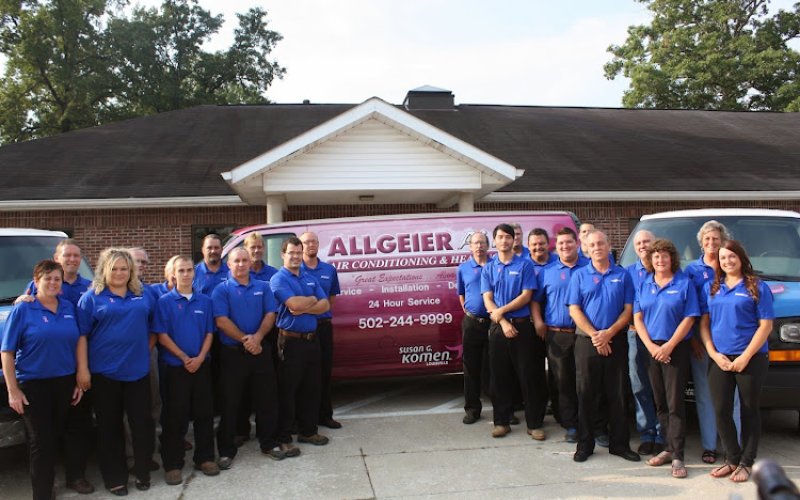
Allgeier Air
HVAC contractor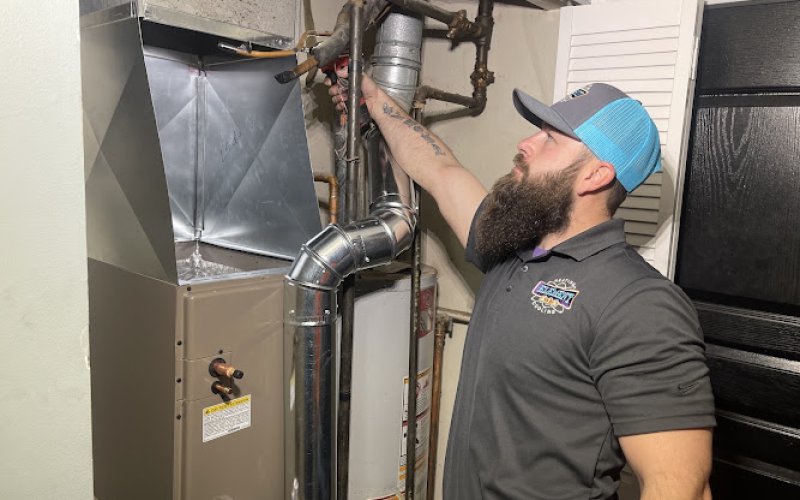
Element Air Heating and Cooling
HVAC contractor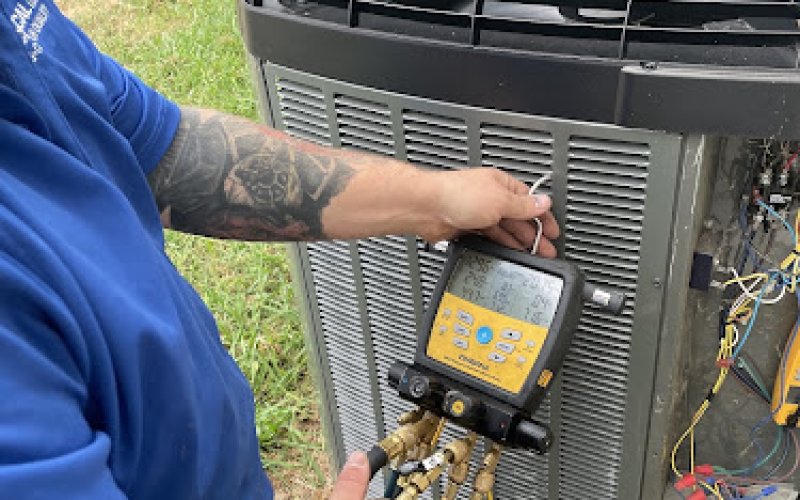
One Choice Mechanical
HVAC contractor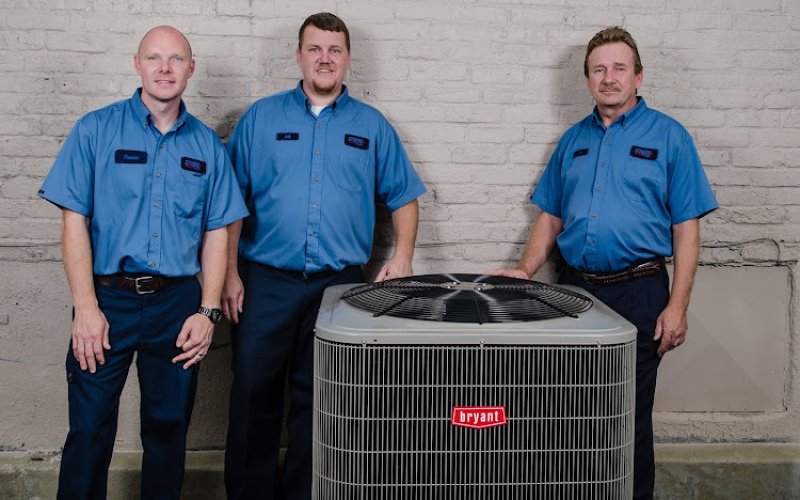
Stivers
HVAC contractor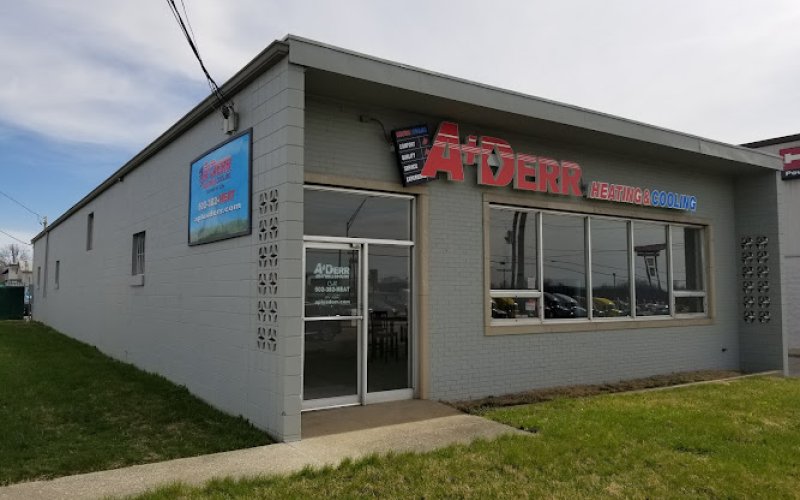
A+ Derr Heating & Cooling
HVAC contractor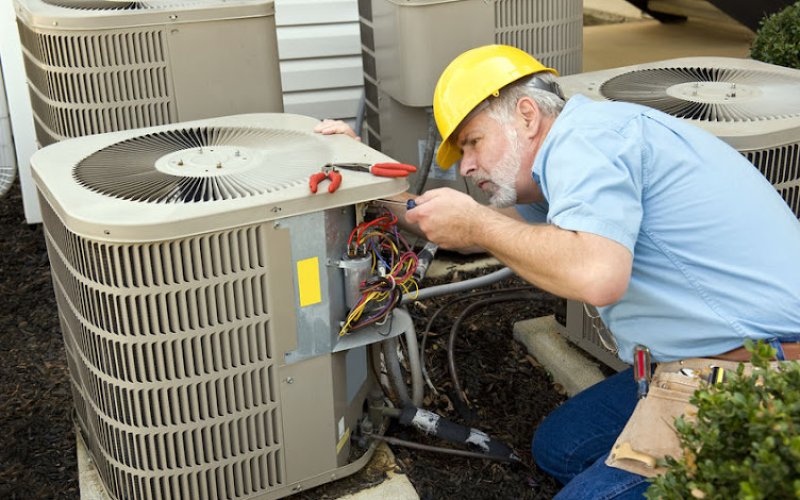
Absolute Services
HVAC contractor
Aire Serv of Louisville
HVAC contractor
Bryant Heating, Cooling, Plumbing, & Electric
HVAC contractor
Jarboe's Heating, Cooling, Plumbing & Electrical
HVAC contractor
John Waters Inc.
HVAC contractor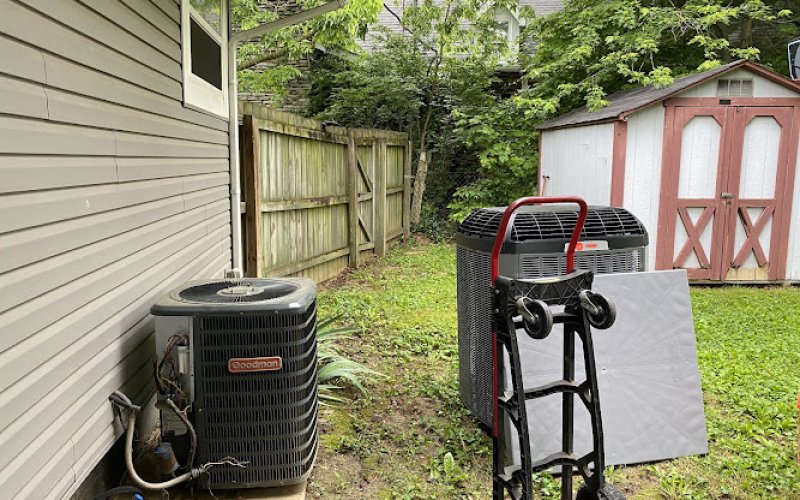
Tom Drexler Plumbing, Air & Electric
HVAC contractor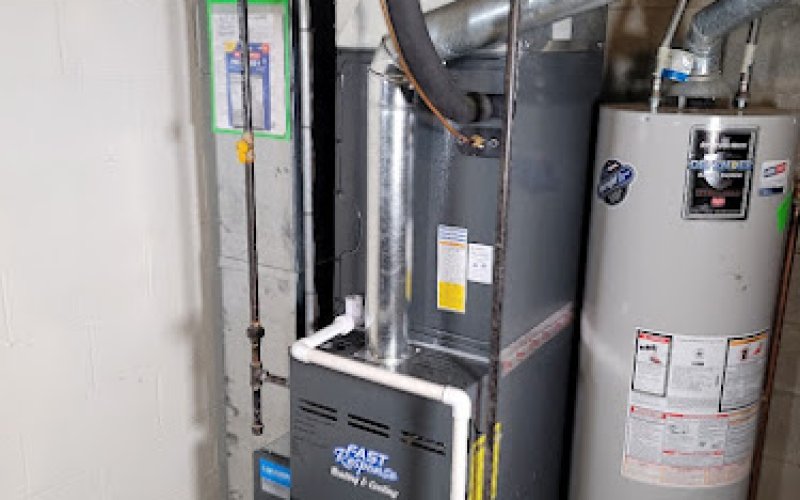
Fast Response
HVAC contractorAbout hvac repair in Louisville
Here's the thing about Louisville: the city sits in that weird climate pocket where you'll run your AC in April and your furnace in October, sometimes in the same week. That whiplash—humid, sticky summers slamming into damp, unpredictable winters—is basically the whole reason the HVAC Services market here stays busy year-round instead of collapsing into one frantic summer rush like you'd see in, say, Phoenix.
The market itself feels fragmented in a healthy way. You've got old-guard family operations that have been fixing furnaces in the Highlands since before it was cool to live in the Highlands, alongside newer outfits chasing the growth happening out toward Oldham County and the Louisville suburbs. Demand gets driven by a few predictable things: an aging housing stock (a lot of homes in older neighborhoods still running systems installed 15-20 years ago), the occasional brutal heat wave or ice storm that takes out equipment on the margins, and a steady trickle of new construction pushing outward from downtown.
Customers tend to fall into three buckets. There's the homeowner whose system just died—usually in the worst possible week, weather-wise—and needs someone fast. There's the landlord managing a handful of rental properties in areas like Portland or the Butchertown corridor, trying to keep tenants comfortable without blowing the maintenance budget. And there's new construction and renovation work, especially in the newer subdivisions where builders are installing systems from scratch. What makes Louisville distinct compared to, say, a Midwest city with harsher winters or a Deep South city with milder ones, is that local systems genuinely have to do both jobs well—cooling and heating—and that dual demand keeps most HVAC companies here diversified rather than specialized.
The Highlands
- Area Profile: Walkable, older bungalows and shotgun houses mixed with renovated properties, a lot of young professionals and longtime residents side by side.
- HVAC Services Activity: Ductwork retrofits are huge here since many homes weren't built with central air in mind. Ductless mini-split installs are also common for additions or converted attic spaces.
- Price Range: $$ to $$$ — retrofit work tends to run higher because of the older bones of these houses.
- Local Note: Tight lot lines and older electrical panels mean installers often have to get creative with equipment placement and sometimes need an electrical upgrade alongside the HVAC work.
St. Matthews
- Area Profile: Established, middle-to-upper income, a good mix of ranch homes from the 60s and 70s plus newer infill construction.
- HVAC Services Activity: Full system replacements are common as original equipment reaches end of life. Seasonal tune-ups are popular too—this is a neighborhood where people tend to stay ahead of problems rather than wait for a breakdown.
- Price Range: $$$ — mid-to-upper range spending is typical, homeowners here often opt for higher-SEER units.
- Local Note: A lot of these homes are hitting that 20-25 year mark on original systems, so replacement conversations are increasingly common rather than one-off repairs.
East End (Prospect, Anchorage, Glenview area)
- Area Profile: Larger homes, higher income, more square footage to condition.
- HVAC Services Activity: Zoned systems and multi-unit setups are the norm—these houses are too big for a single system to handle evenly.
- Price Range: $$$$ — premium end of the market, zoned and high-efficiency systems push costs up considerably.
- Local Note: Some subdivisions here have HOA rules about outdoor unit placement and screening, which can add a step to install planning that homeowners in other areas don't deal with.
Portland & Shawnee
- Area Profile: Historic, working-class roots, a lot of older housing stock, increasing investor and rental activity.
- HVAC Services Activity: Repair work and budget-conscious replacements dominate. Landlords maintaining rental units make up a solid chunk of the calls.
- Price Range: $ to $$ — value-driven, repair-first approach is the norm rather than premium upgrades.
- Local Note: Older window unit and boiler setups still linger in some of these homes, meaning conversion to central systems is its own category of work here.
Middletown & the far East suburbs
- Area Profile: Newer construction, growing family population, suburban feel.
- HVAC Services Activity: New system installs tied to new builds, plus routine maintenance contracts as homeowners want to protect a relatively new investment.
- Price Range: $$ to $$$ — standard mid-range installs are the most common job type.
- Local Note: Builder-grade systems installed during construction sometimes get replaced earlier than expected if they were the cheapest option the builder could spec.
📊 Current Price Points:
- Budget options: $89–$225 (diagnostic/service call, minor repair)
- Mid-range: $4,500–$8,500 (standard AC or furnace replacement, most popular segment)
- Premium: $9,000+ (full system replacement, ductless mini-splits, zoned systems)
📈 Market Trends:
- Demand runs seasonal but steady overall—summer AC calls and fall/winter heating calls each have their own rush.
- Parts availability has been improving compared to the supply chain crunch of a few years back, though certain specialty components and higher-efficiency units can still mean a wait.
- Pricing has been trending upward gradually, tracking with equipment costs and the shift toward higher-efficiency standards.
- Louisville's real seasonal spikes hit the moment the first true heat wave lands (usually late spring) and again with the first hard cold snap (often landing sometime in December).
- Emergency work generally gets same-day or next-day attention during peak weather; routine maintenance scheduling can run anywhere from a few days to a couple weeks out depending on the company and time of year.
💰 What People Are Spending:
- Seasonal tune-up: $75–$200
- Standard repair (capacitor, motor, minor part): $150–$600
- Full system replacement: $4,500–$12,000+ depending on size, efficiency rating, and ductwork condition
Economic Indicators: Louisville's population has been growing gradually, with a lot of that growth pushing outward into the suburbs and exurbs rather than concentrating downtown. Major employers here span logistics and shipping (UPS's global hub sits right at the airport), healthcare systems, and manufacturing—a mix that keeps the broader economy fairly stable even when national trends wobble. New residential development skews toward the eastern and southern edges of the metro, which is exactly where you'll find a lot of new-construction HVAC installs happening. Income levels vary a lot by neighborhood—this isn't a city with one dominant economic tier, and HVAC spending patterns reflect that.
Local Market Dynamics: Demand here is really a climate story more than anything else. The swing between humid summers and cold snaps means systems get worked hard in both directions, which shortens their effective lifespan compared to milder climates. Competition feels fragmented—plenty of independent and family-run shops, a handful of larger regional players, and no single company that dominates the whole metro. Recent shifts in refrigerant regulations (the move away from older refrigerant types) have pushed up costs on certain repairs and nudged more homeowners toward replacement instead of patching an aging system.
How This Affects Buyers/Customers: Practically speaking, if your system uses an older refrigerant type, a repair that used to be routine might now come with a bigger price tag—sometimes big enough that replacement starts looking like the smarter move. It also means asking upfront what refrigerant your system uses is a genuinely useful question, not just a technical detail.
Louisville Seasonal Patterns:
- ☀️ Spring/Summer: High demand. Tune-up requests spike before the first real heat wave, then emergency AC repair calls follow once that heat wave actually hits.
- 🍂 Fall: Moderate demand, often the best window for deals—furnace tune-ups and system replacements before the cold arrives.
- ❄️ Winter: Can surge hard during cold snaps with no-heat emergency calls; otherwise a slower period where companies may be more flexible on scheduling and pricing.
- 📅 Peak months: Book early for summer AC work (ideally in spring) and for winter heating prep (ideally in early fall). Negotiate more room in late fall or late winter lulls.
Timing Tips for Louisville: The best window for a non-emergency install or replacement tends to be spring or fall, when companies aren't slammed with emergency calls and can actually schedule properly. Emergency demand spikes predictably with the first heat wave and first deep cold snap—everyone waits until they need it, then everyone needs it at once. For routine maintenance, aiming to book 2-4 weeks ahead of the season shift is a realistic target.
Smart Timing Tips:
- ✓ Schedule AC tune-ups in March or April, before the rush hits.
- ✓ Book furnace checks in September or early October.
- ✓ Avoid waiting until the first 95-degree day to call—that's when everyone else calls too.
- ✓ If replacing a system, shoulder season (spring/fall) often means better contractor availability and sometimes better pricing.
Credentials to Verify: In Kentucky, HVAC contractors need a state HVAC contractor license, and any technician handling refrigerant is legally required to hold EPA Section 608 certification. NATE certification is a solid additional signal of technical competence, though not legally required. Manufacturer authorization—being a Trane Comfort Specialist or Carrier Factory Authorized Dealer, for example—is a good positive marker since it usually means extra training and warranty backing. Beyond credentials, check how a company handles reviews: a pattern of thoughtful responses to negative reviews tells you more than a wall of five-star ratings.
Questions to Ask:
- How long have you actually worked in the Louisville market?
- Can you provide references from customers in my specific neighborhood?
- Will pricing, parts warranty, and labor warranty be in writing before work starts?
⚠️ Red Flags Specific to Louisville HVAC Services:
- Recommending a full system replacement when a straightforward repair would fix the problem.
- Topping off refrigerant repeatedly without diagnosing or fixing the actual leak.
- No EPA 608 certification for a technician handling refrigerant—that's a legal requirement, not just a nice-to-have.
- Price gouging on emergency no-heat/no-AC calls during extreme weather.
Where to Check Complaints: The Better Business Bureau is a solid starting point for complaint history. Google and Yelp reviews are useful too—look less at the star average and more at whether recurring complaints show up (repeated no-shows, upselling patterns, unclear pricing) across multiple reviews.
✓ Established presence in Louisville (not just passing through)
✓ Verifiable local reviews and references
✓ Transparent pricing, no hidden fees
✓ Clear process explained upfront
✓ Responsive communication
No proof of licensing or EPA 608 certification when asked directly.
Refusal to put pricing or warranty terms in writing.
High-pressure sales tactics pushing immediate full replacement.
No verifiable local address or history of service in the Louisville area.
Check Reviews & Ratings
We recommend verifying businesses through trusted review platforms before making a decision.
Frequently Asked Questions
Popular Categories in Louisville
Explore Other Cities
💧 HVAC Pros near Louisville
Professional Categories in Louisville, KY
Related Services from Similar Professionals