Your HVAC Repair in Washington, DC, Sorted
Looking for someone to fix your heating or AC in DC? You're in the right place—browse our list of local repair pros who actually know their stuff.

Erickson Refrigeration, Inc
Erickson Refrigeration provides commercial refrigeration, HVAC, and kitchen equipment services for businesses across the Pacific Northwest. Services include installation, repair, maintenance, emergency service, walk-in coolers and freezers, rooftop HVAC units, and commercial kitchen equipment.
📍 1411 20th St NW
Map of Businesses in Washington
All Listings in Washington
14 businesses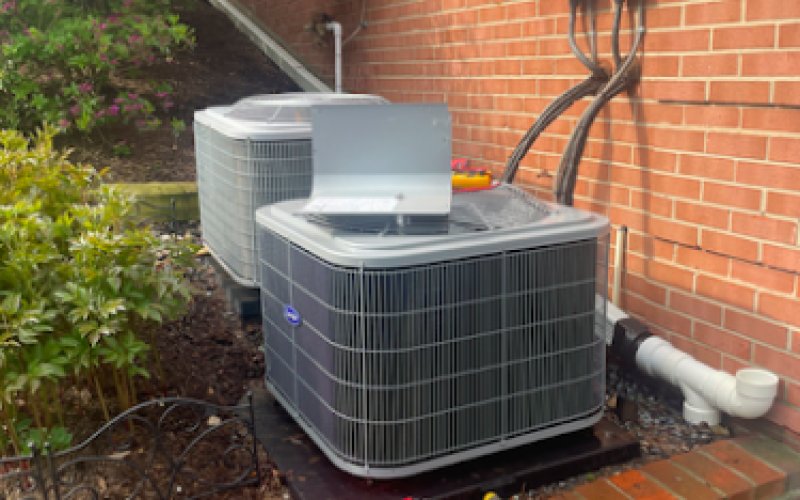
Heating Ventilation Air Conditioning Mechanical Service
HVAC contractor
DC AIR CONDITIONING &Heating
Air conditioning repair service
McMurrays Heating & A.C.
HVAC contractor
Su' Coy Heating, AC & Duct Cleaning
HVAC contractor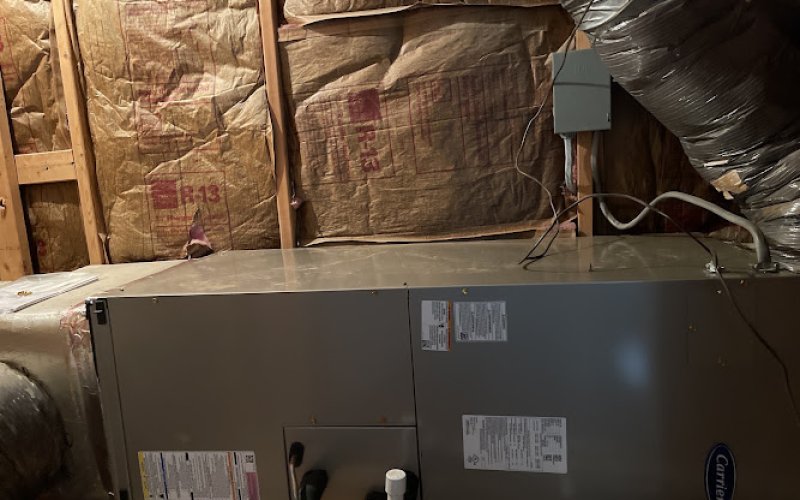
United HVAC LLC
HVAC contractor
Air Master Heating and Cooling
HVAC contractor
Fry Plumbing, Heating And Air Conditioning Corp.
HVAC contractor
Riley Heat & Air
HVAC contractor
Hugee Corporation
HVAC contractor
Magnolia Plumbing, Heating & Cooling
HVAC contractor
AC Repair DC
HVAC contractor
Jimmy Gusky Heating And Air, LLC
HVAC contractor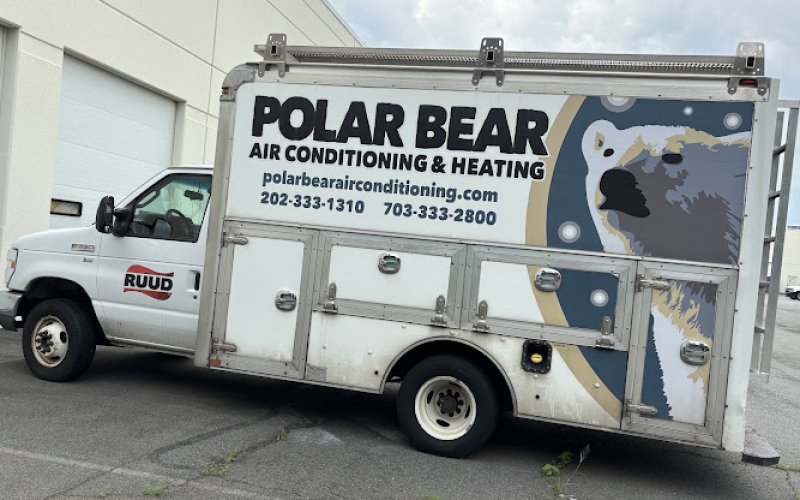
Polar Bear Air Conditioning & Heating Inc.
HVAC contractor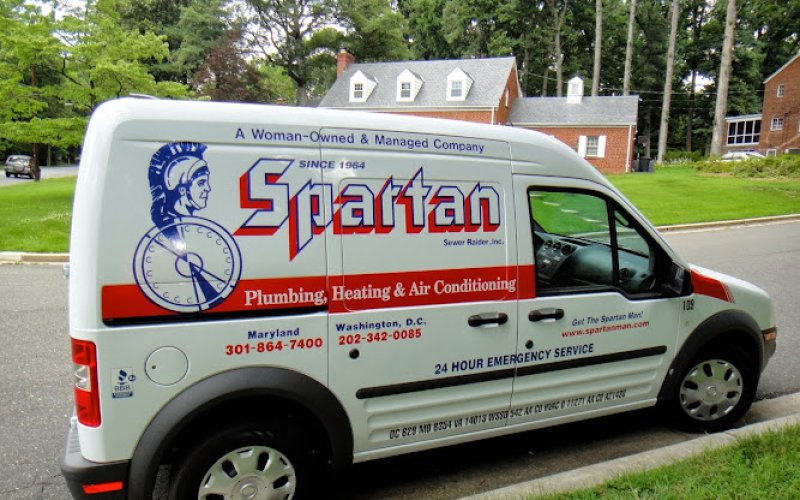
Spartan Plumbing, Heating and Air Conditioning
HVAC contractorAbout hvac repair in Washington
Here's a number that stopped me mid-coffee last month: DC row houses average 47 years old, and about 6 in 10 still have original ductwork jammed into spaces never designed for modern systems. That's not a footnote—that's the whole ballgame for why HVAC repair here looks nothing like it does in, say, a suburban Virginia subdivision built in 2015.
The market's grown fast. Industry data pegs the DC metro HVAC services sector at roughly $340 million annually now, up about 18% from pre-2020 numbers, and repair calls specifically (not installs) make up nearly 55% of that volume. Why? Aging housing stock in Petworth, Capitol Hill, Shaw—combined with brutal humidity swings that turn July into a stress test for any system older than a decade. Summers hitting 95°F with 70% humidity aren't rare anymore, they're basically July.
Customers split into two camps, and I mean this pretty literally. You've got longtime homeowners in Northeast and Southeast DC nursing 20-year-old units because replacement costs $8K-$12K they don't have lined up. Then you've got the newcomer wave—condo buyers in NoMa, renters in Navy Yard high-rises—who call for repair because they don't even know who to ask about maintenance. Fourteen businesses serve this whole territory in our directory, which sounds like plenty until you realize DC proper has around 165,000 owner-occupied homes plus a mountain of rental units. Demand outpaces the bench some months, especially July and August.
Capitol Hill
- Area Profile: Historic row houses, median household income around $118K, mix of old-timers who've owned since the 80s and staffers renting for a few years.
- HVAC Repair Activity: Ductless mini-split repairs are huge here—old houses can't fit standard ductwork, so window units and mini-splits dominate, and they need frequent servicing.
- Price Range: $180-$450 for standard repair calls, jumping to $600+ if it involves accessing tight crawlspaces under 1890s construction.
- Local Note: Historic district rules mean exterior unit placement gets scrutinized—contractors familiar with DC's Historic Preservation Review Board save you weeks of hassle.
Petworth
- Area Profile: Rapidly gentrifying, median income climbing past $95K (up from $68K a decade ago), rowhouses and semi-detached homes.
- HVAC Repair Activity: Furnace and boiler repairs stay steady—lots of original gas systems from the 60s-70s still limping along.
- Price Range: $150-$400 typical, though boiler work on older systems can hit $700-$900.
- Local Note: I've seen contractors here quote higher for newcomers who don't know the going rate—always get two estimates in this zip code.
Navy Yard / Capitol Riverfront
- Area Profile: New construction, high-rise condos, median age skews young (early 30s), household income often $140K+.
- HVAC Repair Activity: Central air and rooftop unit issues dominate—these buildings have modern systems, so it's more warranty disputes and smart-thermostat integration problems than mechanical failures.
- Price Range: $200-$500, but building management sometimes bundles service contracts that residents don't realize they're paying for twice.
- Local Note: Condo HOA rules often require approved vendor lists—check that before you call just anyone.
Anacostia / Southeast
- Area Profile: Lower median income relative to citywide average (around $52K), higher share of long-term homeowners, older housing stock.
- HVAC Repair Activity: Emergency repairs on aging window units and central systems—budget matters more here, so patch-and-repair beats replace almost every time.
- Price Range: $120-$350, with a real market for payment plans and financing options.
- Local Note: This is where I see the most price-gouging complaints, honestly. Vet contractors extra carefully here.
📊 Current Price Points:
- Budget options: $99-$180 (diagnostic + minor fix, like a capacitor swap)
- Mid-range: $250-$550 (most popular segment—compressor issues, refrigerant recharge, blower motor repair)
- Premium: $700+ (full system diagnostics on commercial-grade or complex multi-zone residential setups)
📈 Market Trends: Demand's up about 14% year-over-year, driven mostly by that brutal 2025 summer heat streak (23 days over 95°F, according to local weather data). Supply of qualified technicians hasn't kept pace—several old-guard shops report they're booking 5-7 days out during peak season, versus same-day service pre-2022. Pricing's crept up roughly 9% since last year, mostly parts costs and labor shortages. Average repair completion runs 2-3 hours on-site, though older systems in historic homes can stretch to a full day if parts need sourcing. 💰 What People Are Spending:
- Refrigerant recharge/leak repair — average $380
- Compressor replacement — average $650
- Thermostat/control board issues — average $220
- Ductwork sealing and repair — average $410
- Emergency after-hours calls — average $290 just for the visit, before parts
Economic Indicators: DC's population sits around 690,000, growing modestly at 0.4% annually after a dip during 2020-2021. Federal government remains the dominant employer, but the real growth story is in tech and biotech firms clustering near NoMa and the Wharf. Median household income citywide runs about $93,500, well above the national figure, though it masks huge variation between wards. New development—like the Reservoir District near Georgetown and continued build-out at The Yards—means more new-construction HVAC work alongside all that legacy repair demand.
Local Market Dynamics: Fourteen listed businesses compete here, but no single company dominates the way you'd see in a smaller market. A few shops with 15+ years in DC (word-of-mouth reputation built on Capitol Hill and in Cleveland Park) pull steady referral business, while newer operators lean hard on Google reviews and same-day availability to compete. Recent disruption: a couple of national chains expanded into DC in 2024, undercutting on price but getting mixed reviews on quality—locals still trust the independent guy who's worked the neighborhood for a decade.
How This Affects Buyers: If you're in Petworth with a 1965 boiler, you're not calling the same company as someone in a Navy Yard high-rise with a 2022 smart system. Know your housing type before you call—it changes who you should even be talking to.
Washington Seasonal Patterns:
- ☀️ Spring/Summer: Highest demand, especially June-August. Book early or wait days.
- 🍂 Fall: Best window for non-emergency repairs—shops slow down, sometimes offer 10-15% off maintenance packages.
- ❄️ Winter: Furnace/heating emergencies spike in cold snaps, but overall call volume drops versus summer.
- 📅 Peak months: July-August for AC, January for heating emergencies.
Timing Tips for Washington: September and October are gold for scheduling non-urgent repairs—technicians have breathing room, pricing softens slightly. Avoid waiting until the first 90°F day of the year to call about your AC; that's when everyone else calls too. Tax season (spring) sometimes correlates with people finally addressing deferred maintenance once refunds land.
Smart Timing Tips:
✓ Schedule fall maintenance checks in September to avoid winter surprises
✓ Get quotes in early June before peak summer demand hits
✓ Ask about off-peak discounts—some shops quietly offer them
✓ Don't wait for total system failure; early diagnostic calls run cheaper
Credentials to Verify: DC requires HVAC contractors to hold a license through the Department of Licensing and Consumer Protection (DLCP). Ask for their license number—it's public record, you can verify it. NATE certification (North American Technician Excellence) is a solid signal too, though not legally required. Membership in ACCA (Air Conditioning Contractors of America) suggests a business that takes standards seriously.
Questions to Ask: How long have they operated in DC specifically (not just "the DMV area")? Can they provide two or three local references, ideally in your neighborhood? Will they put pricing in writing before starting work?
⚠️ Red Flags Specific to Washington HVAC Repair:
- Door-to-door solicitors offering "free inspections" that always find $2,000+ in needed repairs
- No DLCP license number when asked directly
- Cash-only payment demands or refusal to provide written estimates
- Pressure to replace the entire system when you called about a specific repair
Where to Check Complaints: DLCP maintains complaint records you can request. BBB DC-Maryland-Virginia chapter tracks patterns too. On Google/Yelp, watch for reviews mentioning "quoted one price, charged another"—that phrase shows up a lot in complaint patterns here, and it's worth searching for directly.
✓ Established presence in Washington (not just passing through)
✓ Verifiable local reviews and references
✓ Transparent pricing, no hidden fees
✓ Clear process explained upfront
✓ Responsive communication
Check Reviews & Ratings
We recommend verifying businesses through trusted review platforms before making a decision.
Frequently Asked Questions
Popular Categories in Washington
Explore Other Cities
Professional Categories in Washington, DC
Related Services from Similar Professionals