Need HVAC Repair in Baltimore? Find Trusted Pros Fast
Welcome to your one-stop spot for finding reliable HVAC help in Baltimore! Whether your AC's on the fritz or your heater's acting up, we've got local pros ready to get you comfortable again.
Map of Businesses in Baltimore
All Listings in Baltimore
11 businesses
Elite Climate Services
HVAC contractor
Alpha Heating & Air Conditioning, LLC
HVAC contractor
Complete Climate Services LLC
HVAC contractor
Abend Services
HVAC contractor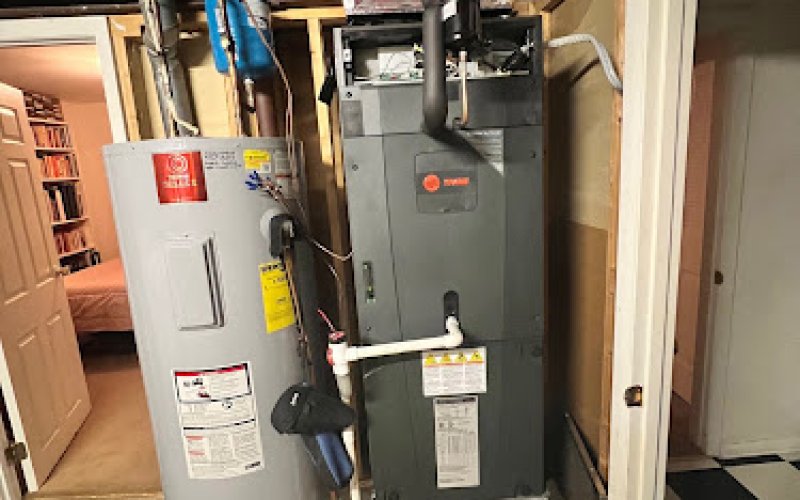
Amazing Plumbing, Heating & Air
HVAC contractor
One Hour Air Conditioning & Heating®
HVAC contractor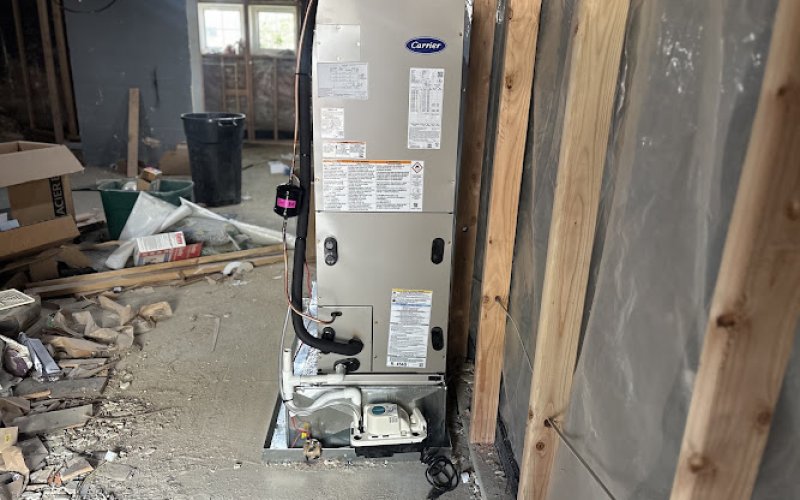
Reliable Home Comfort Llc
HVAC contractor
Len The Plumber Heating & Air, LLC
HVAC contractor
Michael & Son Services
HVAC contractor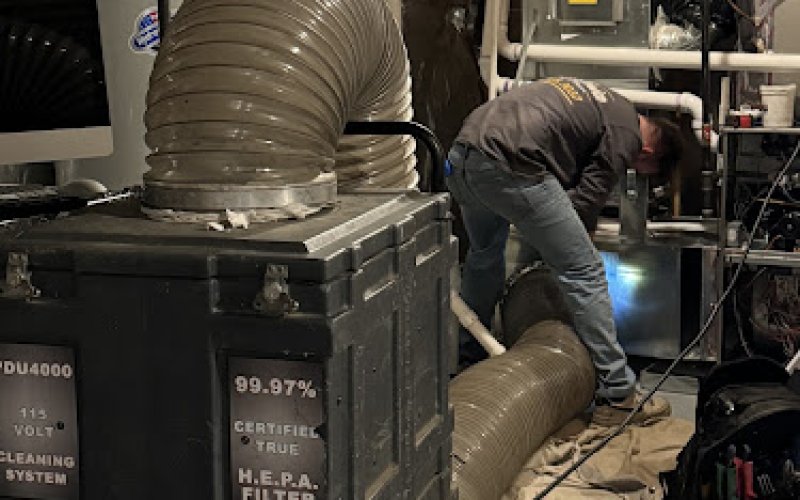
At Your Service Heating and Cooling LLC
HVAC contractor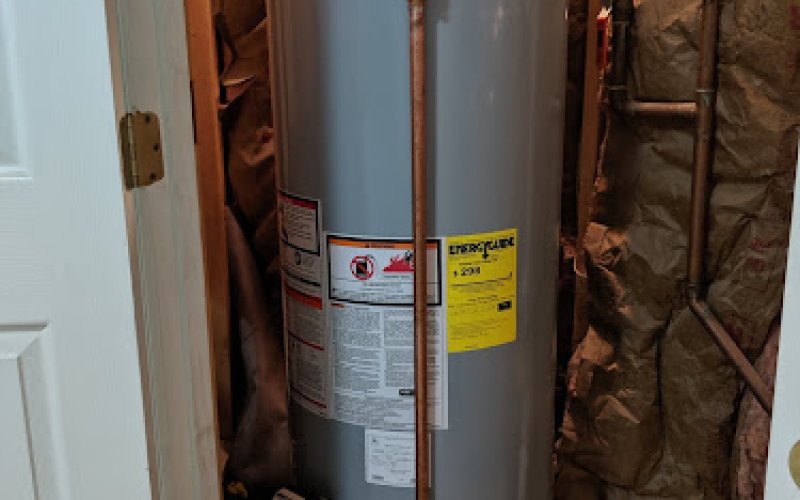
A.J. Michaels
HVAC contractorAbout hvac repair in Baltimore
Here's the pattern that defines this whole market: Baltimore gets brutal, sticky-hot summers and genuinely cold winters, which means the phones at HVAC companies basically never stop ringing seasonally — they just ring for different reasons. July calls are "my AC died and I have a toddler and it's 97 degrees." January calls are "the furnace is out and it's 19 degrees and the pipes are gonna freeze." There's no real off-season here, just a shift in what's breaking.
That climate whiplash is the main demand driver, but it's not the only one. Baltimore's housing stock skews old — you've got rowhomes in places like Hampden and Highlandtown that are 80-100+ years old, many with retrofitted ductwork that was never really designed for central air. Add in new construction pushing out toward the county line, plus a steady wave of energy-efficiency upgrades as people try to get ahead of rising utility costs, and you've got a market with several distinct customer types pulling in different directions at once.
The market itself feels fragmented rather than dominated by one or two big players. You've got small owner-operator shops that have served a neighborhood for a generation, regional companies that advertise heavily and handle volume, and everything in between. For homeowners, that fragmentation is generally a good thing — more competition, more price variation, more room to shop around — but it also means quality is inconsistent, and doing a little homework before you pick someone actually matters here.
Roland Park
- Area Profile: Higher-income, established, lots of large older homes with mature landscaping and a strong sense of architectural pride.
- HVAC Services Activity: Zoned system installs, ductless mini-split add-ons for additions/sunrooms, and high-end system replacements are common.
- Price Range: Tends to run on the higher end — full replacements often land well into the upper mid-range to premium bracket given home size.
- Local Note: Many homes have historic-district style considerations, so equipment placement (especially outdoor condensers) sometimes needs to be tucked out of street view.
Hampden
- Area Profile: Rowhomes, a mix of longtime residents and younger newcomers, moderate income levels, tight lot lines.
- HVAC Services Activity: Ductless mini-splits are huge here since a lot of these homes never had central air ductwork installed properly to begin with.
- Price Range: Mid-range for most jobs; mini-split installs vary a lot depending on how many zones/heads are needed.
- Local Note: Narrow rowhome layouts mean creative routing for lineset and condensate lines — not every tech handles these installs cleanly, so experience with rowhome retrofits matters.
Canton
- Area Profile: Younger professionals, renovated rowhomes near the waterfront, a decent chunk of renters alongside owner-occupants.
- HVAC Services Activity: System replacements in recently-flipped homes, plus a steady stream of landlord-driven maintenance and repair calls.
- Price Range: Mid-range, though rental-property owners often opt for the more budget-conscious repair path over full replacement when possible.
- Local Note: A lot of rowhome-to-condo conversions mean odd system configurations — sometimes shared equipment or awkward closet-mounted units that complicate service calls.
Towson (Baltimore County border area)
- Area Profile: Suburban-feeling, mixed income, larger detached homes, a good number of families.
- HVAC Services Activity: Full-system replacements, seasonal tune-up contracts, and furnace repairs on aging equipment are all steady business.
- Price Range: Mid-range to premium depending on home size and whether zoning is added.
- Local Note: Bigger lots mean more flexibility on equipment placement, but also longer duct runs — sizing the system correctly for the home matters more here than in tighter city rowhomes.
Federal Hill
- Area Profile: Dense, walkable, younger crowd, historic rowhomes packed close together, higher rental turnover.
- HVAC Services Activity: Repair and maintenance calls dominate, plus mini-split installs in units without existing central air.
- Price Range: Budget to mid-range for most service calls; installs skew mid-range.
- Local Note: Street parking and rowhome density can make equipment delivery and crane-assisted installs (for rooftop units) logistically annoying — worth asking a contractor how they handle it.
📊 Current Price Points:
- Budget options: $89-$180 (diagnostic/service call, minor repair)
- Mid-range: $4,500-$8,500 (standard AC or furnace replacement, most popular segment)
- Premium: $9,000+ (full system replacement, ductless mini-splits with multiple zones, zoned systems)
📈 Market Trends:
- Demand is seasonal but rising overall — older systems across the city are aging out right around the same window, so replacement calls have been trending upward rather than staying flat.
- Equipment availability has been inconsistent in recent years, especially for specific furnace and heat pump models — lead times can stretch during peak season.
- Pricing has been drifting upward gradually, partly tied to equipment costs and partly to labor costs across the trades generally.
- The first real heat wave of the summer and the first hard freeze of winter both trigger sharp, short-term spikes in emergency call volume — it's almost clockwork.
- Routine maintenance can usually be scheduled within a week or two. Emergency no-heat/no-AC calls during extreme weather often mean a wait of a day or more, even with companies trying to prioritize them.
💰 What People Are Spending:
- Seasonal tune-up: $89-$200
- Standard repair (capacitor, blower motor, minor refrigerant issues): $150-$700
- Full system replacement (AC or furnace): $4,500-$9,500
- Ductless mini-split install (single or multi-zone): $3,500-$12,000+ depending on zones
Economic Indicators: Baltimore's population has been roughly stable to slightly declining in the city proper, while surrounding county areas have seen steadier growth — that split matters, because it means demand isn't concentrated in one place. Major employers here lean toward healthcare (Johns Hopkins is the obvious anchor), higher education, and port/logistics work, which gives the local economy a fairly steady, if not explosive, base. Income levels vary widely block to block, which is part of why pricing across neighborhoods swings so much.
Local Market Dynamics: The aging housing stock is really the backbone of demand here — systems installed 15-20 years ago are hitting end-of-life in a concentrated wave right now. Add in periodic refrigerant regulation changes (the shift away from older refrigerants has pushed some replacement decisions that otherwise might've been repairs) and rising efficiency standards, and you get a market where "just repair it" isn't always the cheapest long-term option anymore. Competition is fragmented — plenty of small shops, a handful of larger regional names, no single company dominating.
How This Affects Buyers/Customers: Practically, this means getting multiple quotes actually pays off in Baltimore, because pricing isn't standardized across the market. It also means booking ahead for non-emergency work — say, a fall furnace tune-up before the first cold snap — can save you both money and the stress of an emergency-rate call in January.
- ☀️ Spring/Summer: High demand starting with the first real heat wave — AC tune-ups booked in April/May beat the rush; emergency repairs spike hard in July/August.
- 🍂 Fall: A good window for deals — furnace tune-ups and system replacements before the cold hits tend to have more availability and sometimes promotional pricing.
- ❄️ Winter: Surge during cold snaps, with emergency no-heat calls commanding premium urgency pricing; slower, more negotiable in the deep-winter lull between cold spells.
- 📅 Peak months: Book early for June-August AC work and December-February heating emergencies; negotiate more freely in March-April and September-October.
Timing Tips for Baltimore: The sweet spot for a non-emergency replacement is genuinely the shoulder seasons — spring before the heat, fall before the cold. Emergency demand spikes are predictable: first 90-degree stretch, first hard freeze. Routine maintenance should ideally be scheduled a few weeks out, not the week before you need it.
Smart Timing Tips:
- ✓ Book AC tune-ups in April, not June
- ✓ Schedule furnace checks in September/October, before the first cold snap hits
- ✓ If your system is 12+ years old, start getting replacement quotes before it fails — don't wait for an emergency
- ✓ Ask about maintenance plans/contracts if you own an older rowhome — priority scheduling during peak season is worth something
Credentials to Verify: In Maryland, HVAC contractors need to carry proper state contractor licensing, and any technician handling refrigerant is legally required to hold EPA Section 608 certification — no exceptions. NATE certification is a strong signal of technical competence beyond the legal minimum. Manufacturer authorization (Trane Comfort Specialist, Carrier Factory Authorized Dealer, that kind of designation) is a good positive indicator too, since manufacturers vet those companies before granting it.
Questions to Ask: How long have they actually operated in the Baltimore area (not just "licensed in Maryland" on paper)? Can they provide references from real local customers, ideally in your neighborhood? Are they upfront about pricing, parts warranty length, and labor warranty terms before work starts?
⚠️ Red Flags Specific to Baltimore HVAC Services:
- Recommending a full system replacement when a straightforward repair would fix the problem
- Topping off refrigerant repeatedly without diagnosing or fixing the actual leak
- No EPA 608 certification for a technician handling refrigerant — that's a legal requirement, not just a nice-to-have
- Price gouging on emergency no-heat/no-AC calls during extreme weather
Where to Check Complaints: The Better Business Bureau is a solid starting point for pattern-spotting on complaints. Google and Yelp reviews are useful too, but read for patterns rather than one-off rants — a company with consistent complaints about no-shows or upselling is telling you something real.
✓ Established presence in Baltimore (not just passing through)
✓ Verifiable local reviews and references
✓ Transparent pricing, no hidden fees
✓ Clear process explained upfront
✓ Responsive communication
Check Reviews & Ratings
We recommend verifying businesses through trusted review platforms before making a decision.
Frequently Asked Questions
Popular Categories in Baltimore
Explore Other Cities
Professional Categories in Baltimore, MD
Related Services from Similar Professionals