Fast, Reliable HVAC Repair Services in Aurora, IL
Looking for HVAC help in Aurora, IL? You're in the right spot — check out the local pros below who can get your heating and cooling sorted.
Map of Businesses in Aurora
All Listings in Aurora
10 businesses
Air-Rite Heating & Cooling, Inc.
HVAC contractor
American Heating and Cooling Specialists
HVAC contractor
Aurora Heating & Cooling
HVAC contractor
Buchner Heating, Air & Plumbing
HVAC contractor
Charles McDuffee Co. Heating & Air Conditioning
HVAC contractor
Franzen Heating & Cooling
HVAC contractor
Youngren's, Inc. Heating & Cooling
HVAC contractor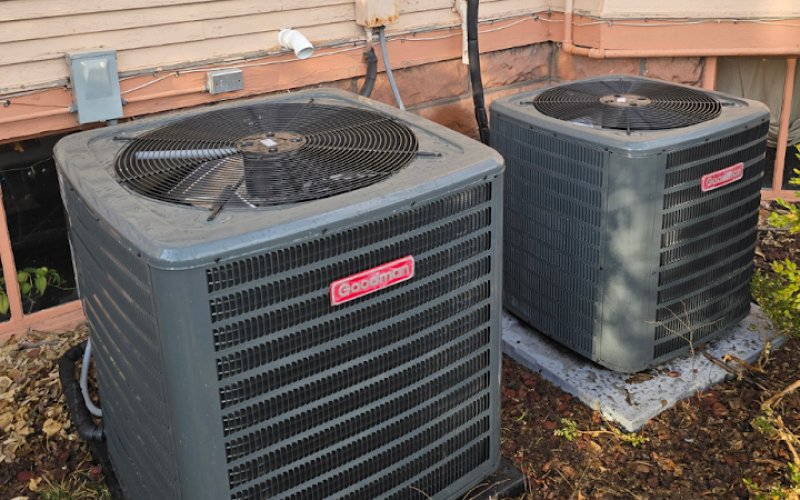
Amazing Air Inc.
HVAC contractor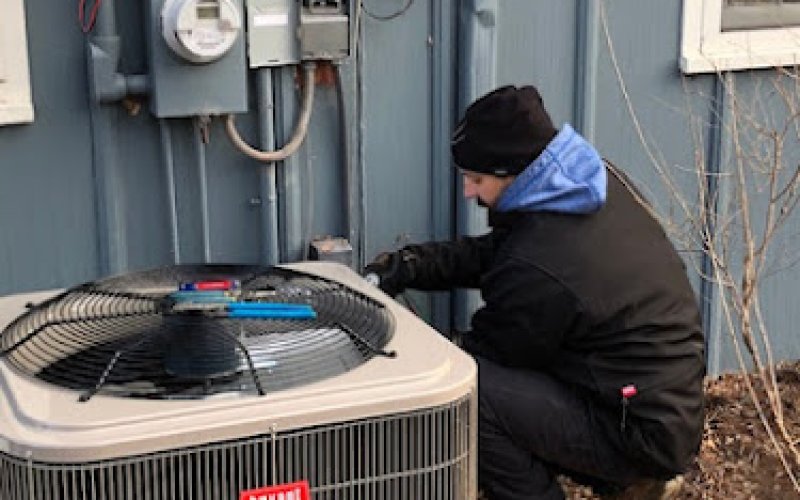
Brian and Sons Heating and Air Conditioning
HVAC contractor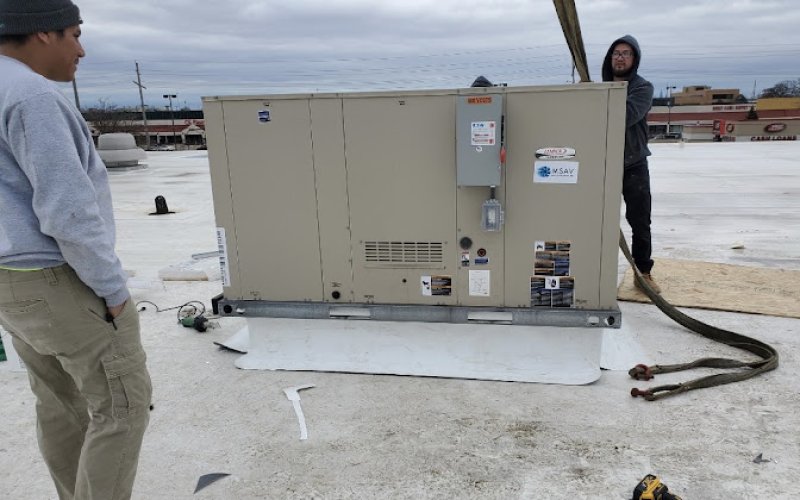
Maximum Heating & Air Conditioning
HVAC contractorAbout hvac repair in Aurora
Aurora has a weird relationship with its own weather. Winters bring stretches of hard cold, summers bring humid stretches that feel more like the Gulf Coast than northern Illinois, and nearly every house in town has to be ready for both. So HVAC Services here isn't a one-season business. It's two businesses stacked on top of each other, and the calendar decides which one is busy.
The market itself feels crowded and fragmented. You've got long-running local shops, regional outfits that cover the whole Fox Valley, and plenty of small operators working out of a single van. Quality varies a lot. Demand comes from a few predictable places: aging furnaces and AC units reaching the end of their lives, the first brutal weather swing of a season, new construction on the growing edges of town, and homeowners chasing lower energy bills with higher-efficiency equipment.
The customer mix is mostly homeowners with something that just quit working. Landlords keeping rental units running make up a steady second group, and builders handling new subdivisions are a third. What sets Aurora apart is the sheer age range of its housing stock. A single service route might cover a century-old brick home with a patched-together duct system, then a 2010s build with a modern variable-speed furnace. Different problems, different price tags.
📍 Downtown / Near East Side
- Area Profile: Older homes, historic character, a mix of owner-occupants and rental properties near the Fox River and the downtown core.
- HVAC Services Activity: Furnace repair and replacement, ductwork fixes, and boiler or radiator-related work in some of the older buildings. Landlord maintenance calls are common.
- Price Range: Repairs often land in the low-to-mid hundreds; full replacements can climb higher when old ductwork needs rework.
- Local Note: Tight mechanical spaces and legacy layouts mean installs here can take longer and cost more than a cookie-cutter job.
📍 Far East Side
- Area Profile: Established residential streets, many mid-century and later single-family homes, mostly owner-occupied.
- HVAC Services Activity: Lots of straightforward system replacements as original equipment ages out, plus routine seasonal tune-ups.
- Price Range: Mid-range replacements are the sweet spot; budget service calls for tune-ups and minor repairs.
- Local Note: Homes of this age often have undersized or leaky ducts, so a new unit doesn't always fix comfort problems on its own.
📍 Oakhurst / Southwest Side
- Area Profile: Newer subdivisions, family-oriented, larger homes built over the past few decades.
- HVAC Services Activity: Higher-efficiency upgrades, two-stage and variable-speed systems, and zoning for multi-story layouts.
- Price Range: Mid-range to premium; bigger square footage pushes equipment size and cost up.
- Local Note: HOA rules in some developments can affect where outdoor condensers can sit. Ask before you pick a spot.
📍 Stonebridge / Far West Side
- Area Profile: Larger, newer homes with higher-end finishes, golf-course-adjacent living, generally higher household incomes.
- HVAC Services Activity: Zoned systems, dual-fuel setups, humidity control, and premium-brand installs.
- Price Range: Premium tier is common here; multi-system homes can run well into five figures.
- Local Note: Big homes often have two or more separate systems, so a single failure doesn't mean the whole house goes dark. It also means double the maintenance.
📊 Current Price Points:
- Budget options: roughly $90–$250 for a diagnostic or basic service call; small repairs often run a few hundred more
- Mid-range: roughly $5,000–$12,000 for a standard AC or furnace replacement, the most popular segment
- Premium: $13,000+ for full system replacement, ductless mini-splits, or zoned multi-system setups
📈 Market Trends:
- → Demand stays strong and seasonal, with pronounced spikes at weather extremes
- → Equipment availability has mostly normalized, though certain models can still take extra time to arrive
- → Pricing has trended upward over recent years as refrigerant rules and efficiency standards changed what's on the truck
- → Routine maintenance often gets scheduled within days to a couple of weeks; true emergencies during a heat wave or cold snap can stretch that out
💰 What People Are Spending:
- Seasonal tune-up: commonly $90–$200
- Common repair (capacitor, igniter, blower motor): often $150–$800
- Full furnace or AC replacement: typically $5,000–$12,000
- Ductless mini-split install: varies widely, often several thousand per zone
Economic Indicators:
- Aurora is one of the largest cities in Illinois and sits in a populated, growing corridor west of Chicago.
- Housing runs the full range, from historic homes near downtown to newer subdivisions on the edges.
- Its mix of manufacturing, healthcare, education, and commuter households keeps a steady base of homeowners and renters.
Local Market Dynamics:
Climate does most of the work. Cold winters and hot, humid summers mean systems get used hard in both directions, and that wears equipment faster than a mild climate would. Add a large stock of older homes and you get a constant stream of repairs, replacements, and upgrades. Competition is fragmented, with many companies fighting for the same calls.
Recent shifts matter too. Refrigerant regulation changes and higher efficiency standards have changed what new equipment looks like and what it costs.
How This Affects Buyers/Customers:
You've got options, which is good, but options also mean uneven quality. If your furnace dies on the coldest night of the month, you're negotiating from a weak spot. Getting your equipment looked at before the extreme weather arrives is the single best way to avoid that.
Aurora Seasonal Patterns:
- ☀️ Spring/Summer: AC tune-ups ramp up in spring; emergency repairs surge during heat waves
- 🍂 Fall: Furnace tune-ups before the cold, and often the calmest window for scheduling installs
- ❄️ Winter: Emergency no-heat calls spike during cold snaps; scheduling gets tight
- 📅 Peak months: Midsummer and the deep-winter stretch. Book early or expect to wait.
Timing Tips for Aurora:
- The best window for non-emergency replacement deals tends to be the shoulder seasons, when crews are less slammed.
- Emergency demand spikes the first time temperatures swing hard in either direction.
- Routine maintenance is easiest to schedule a few weeks ahead of the season.
Smart Timing Tips:
- ✓ Service your AC in spring, before the first heat wave
- ✓ Service your furnace in early fall, before the first cold snap
- ✓ If your system is old and limping, replace it in a mild month, not mid-emergency
- ✓ Ask about off-peak scheduling; some shops are flexible when it isn't their busy stretch
Credentials to Verify:
- Illinois requires licensing for certain HVAC-related work; ask the contractor for their license information and check it with the Illinois Department of Professional Regulation or the relevant local licensing office.
- EPA Section 608 certification is required for anyone handling refrigerants.
- NATE certification is a respected, voluntary sign of technician training.
- Manufacturer authorization (a Trane or Carrier dealer designation, for example) is a positive signal.
- Read reviews for patterns, not just the star rating.
Questions to Ask:
- How long have you served the Aurora area?
- Can you share references from local customers?
- What's covered under your parts and labor warranties?
⚠️ Red Flags Specific to Aurora HVAC Services:
- Recommending a full system replacement when a straightforward repair would fix the problem
- Topping off refrigerant repeatedly without diagnosing or fixing the actual leak
- No EPA 608 certification for a technician handling refrigerant, which is a legal requirement
- Price gouging on emergency no-heat or no-AC calls during extreme weather
Where to Check Complaints:
- The state licensing authority for contractors
- BBB
- Google and Yelp, looking for repeated complaints about the same issue
✓ Established presence in Aurora (not just passing through)
✓ Verifiable local reviews and references
✓ Transparent pricing, no hidden fees
✓ Clear process explained upfront
✓ Responsive communication
No written estimate
Pressure to sign immediately or "today only" pricing
Unwillingness to show license or insurance
Skipping a proper load calculation and just guessing at equipment size
Check Reviews & Ratings
We recommend verifying businesses through trusted review platforms before making a decision.
Frequently Asked Questions
Popular Categories in Aurora
Explore Other Cities
💧 HVAC Pros near Aurora
Professional Categories in Aurora, IL
Related Services from Similar Professionals