Anchorage's Go-To HVAC Repair Services
Looking for someone to fix your furnace before the next cold snap hits? You're in the right place—we've rounded up Anchorage's HVAC pros so you don't have to dig around for one yourself.
Map of Businesses in Anchorage
All Listings in Anchorage
6 businesses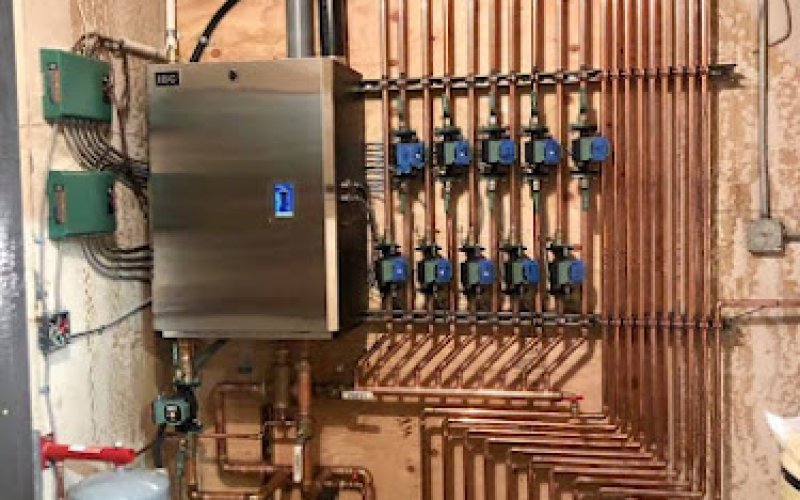
Diamond Heating & AirTemp Alaska
HVAC contractor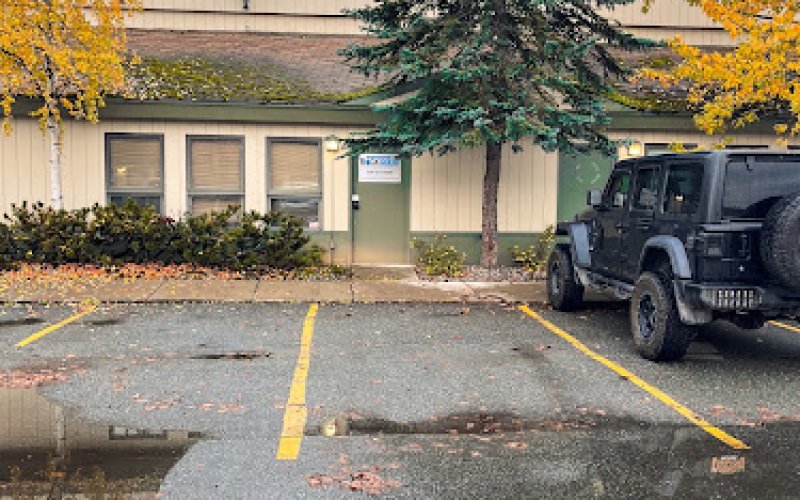
Rock Solid Plumbing & Heating LLC
Plumber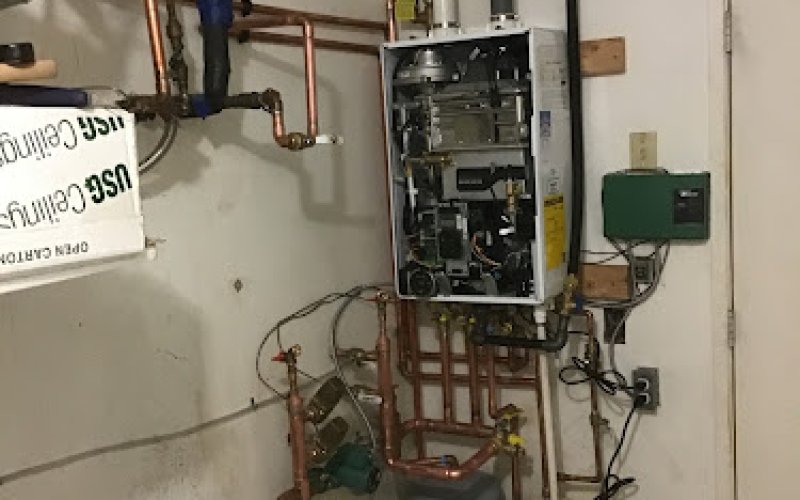
Discount Mechanical Heating and Plumbing
HVAC contractor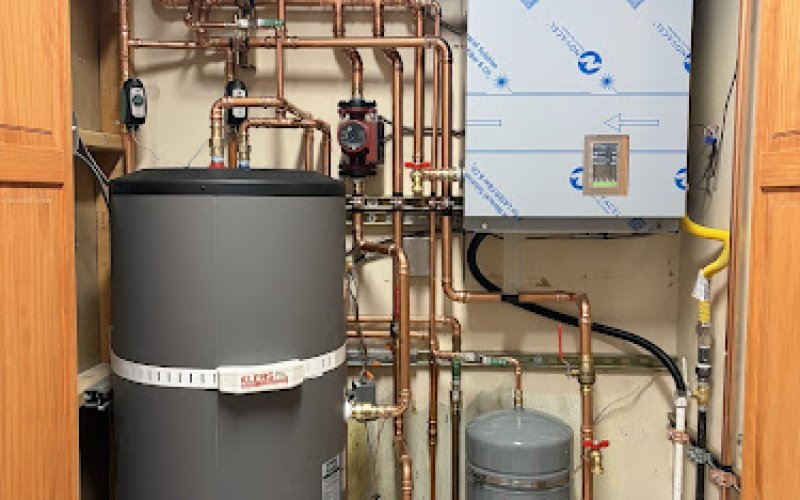
Klebs Mechanical
HVAC contractor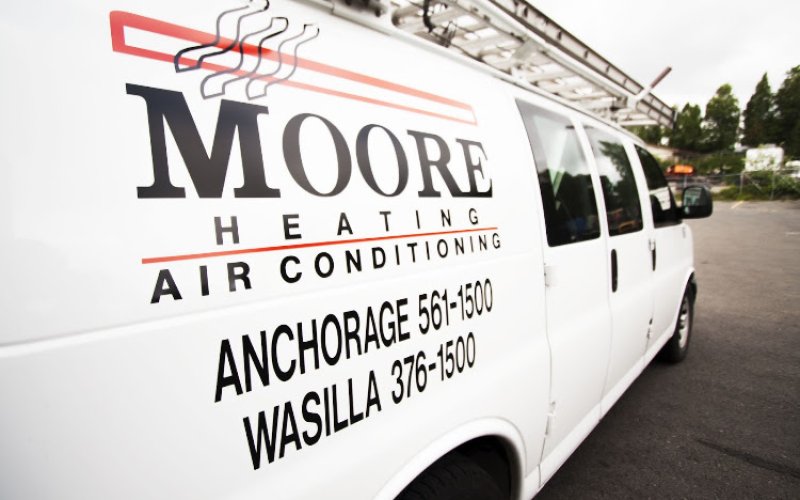
Moore Heating
HVAC contractor
Anchorage Plumbing & Heating
Heating contractorAbout hvac repair in Anchorage
Here's the thing about Anchorage: you can have a furnace call and an AC call in the same week — sometimes the same day — because the swing between a sunny 68-degree afternoon in July and a 40-degree night isn't rare, it's Tuesday. Most homes here weren't even built with cooling in mind. Heating is the constant. Cooling is the newcomer. And that split personality shapes basically everything about how this market runs.
The furnace and boiler side of the business is the bread and butter — oil, natural gas, and increasingly heat pumps designed to handle sub-zero performance. But there's been a real uptick in ductless mini-split installs, partly because more people want supplemental cooling for those stretch-of-summer heat waves, and partly because mini-splits pair well with Anchorage's mixed-fuel housing stock. So you've got old-school boiler guys competing in the same market as companies pitching cold-climate heat pumps. That's an unusual combo for a mid-sized city.
The market itself feels fragmented rather than dominated by one or two big names. You've got a handful of established outfits that have been around long enough to have trucks all over town, plus smaller crews running two or three vans out of Eagle River or the Dimond area. Customers tend to break into three buckets: homeowners dealing with a furnace that just quit in February (no gentle way to put that), landlords maintaining rental units in places like Mountain View or Spenard, and new-construction or remodel jobs out toward Chugiak and South Anchorage where bigger lots mean bigger systems.
South Anchorage (Rabbit Creek, Bear Valley, Hillside)
- Area Profile: Larger homes, higher household incomes, a lot of custom-built houses on bigger parcels with views.
- HVAC Services Activity: Zoned heating systems, dual-fuel setups, and mini-split additions for sunrooms or bonus rooms are common asks.
- Price Range: Typically runs higher than the city average — full system work often lands in the $8,000–$18,000 range depending on zoning complexity.
- Local Note: Steep driveways and long distances from the road mean equipment access and staging sometimes add to labor time — worth asking about upfront.
Midtown / Spenard
- Area Profile: Mixed-income, lots of older housing stock, a good chunk of rental units and multi-family buildings.
- HVAC Services Activity: Furnace repair and replacement dominate. Landlords tend to want the fastest fix that passes inspection, not necessarily the fanciest.
- Price Range: Repairs commonly fall $150–$600; full furnace swaps often $4,000–$7,500.
- Local Note: A lot of these homes were built decades ago with original ductwork — sealing and insulation issues show up constantly during inspections.
Eagle River
- Area Profile: Family-oriented, suburban feel, a mix of long-time residents and newer transplants who commute into Anchorage proper.
- HVAC Services Activity: Seasonal tune-ups are big here — people plan ahead rather than wait for a breakdown, which is a bit different from the more reactive pattern downtown.
- Price Range: Tune-ups typically $100–$250; system replacement in the $6,000–$12,000 range depending on square footage.
- Local Note: Colder microclimate than the bowl means systems here often work harder — undersized furnaces get exposed fast.
Downtown / Government Hill
- Area Profile: Older housing, condos, some historic buildings, a mix of renters and long-term owners.
- HVAC Services Activity: Boiler maintenance and repair is more common here than in newer parts of town — a lot of these buildings still run hydronic heat.
- Price Range: Boiler service calls often $150–$450; full boiler replacement can run well into five figures depending on the building.
- Local Note: Permitting and building-access logistics (shared walls, condo boards) can slow scheduling — plan further ahead than you would for a single-family home.
Mountain View
- Area Profile: Working-class, diverse, a mix of older single-family homes and small multi-unit properties.
- HVAC Services Activity: Emergency no-heat calls are common — budget constraints mean people often run systems until they fail rather than proactively replacing them.
- Price Range: Repairs skew toward the budget end, $100–$400 for common fixes.
- Local Note: A good number of these homes have had partial upgrades over the years, so mismatched or patched systems aren't unusual — diagnosis can take longer than expected.
📊 Current Price Points:
- Budget options: $85–$200 (diagnostic/service call, minor repair)
- Mid-range: $4,000–$8,500 (standard furnace or ductless system replacement, the most common job)
- Premium: $10,000+ (full zoned system, whole-home heat pump conversion, multi-unit ductless setups)
📈 Market Trends: Demand stays fairly steady through the year but spikes hard and fast around the first real cold snap in October/November — that's when the phones ring nonstop. Parts availability has been a mixed bag; common furnace components are usually fine, but specialty heat pump parts can take longer to source than people expect. Pricing has been drifting upward gradually, driven more by labor and fuel costs than any single factor. Emergency no-heat calls in winter often get same-day or next-day attention out of necessity; routine maintenance in the off-season might book out a couple weeks.
💰 What People Are Spending:
- Seasonal tune-up: $100–$250
- Standard repair (igniter, blower motor, thermostat): $150–$700
- Full furnace or mini-split system replacement: $4,000–$9,000
- Whole-home zoned system or heat pump conversion: $10,000–$20,000+
Economic Indicators: Anchorage's population has been roughly flat to slightly growing in recent years, with steady housing turnover rather than a boom. Major employers cluster around the military bases (JBER), healthcare, oil and gas administration, and transportation/logistics tied to Ted Stevens International. New residential growth tends to show up on the edges — South Anchorage, Eagle River, Chugiak — more than infill downtown. Income levels are middling-to-comfortable overall, though it varies a lot by neighborhood.
Local Market Dynamics: The climate does the heavy lifting here — heating isn't optional, and an aging housing stock means a meaningful chunk of furnaces and boilers are past their expected lifespan. The competitive scene is fragmented: a few established companies with fleet trucks and long histories, plus smaller independent crews. Efficiency standards and refrigerant regulation changes have pushed some older AC and heat pump units toward retirement faster than owners expected, which is quietly driving replacement demand.
How This Affects Buyers/Customers: If your furnace is 18-20 years old, budgeting for eventual replacement (not just repair) is realistic. If you're adding cooling, ask specifically about cold-climate-rated equipment — a mini-split rated for a milder climate won't perform the same here.
Anchorage Seasonal Patterns:
- ☀️ Spring/Summer: Moderate demand — a good window for AC tune-ups and mini-split installs before the first real heat stretch hits.
- 🍂 Fall: Busy season for furnace tune-ups and pre-winter inspections — this is when smart homeowners book ahead.
- ❄️ Winter: Emergency no-heat calls surge, especially during hard cold snaps — expect less flexibility on scheduling and pricing.
- 📅 Peak months: Late fall through mid-winter for emergency work; late spring through summer for planned installs and negotiating better rates.
Timing Tips for Anchorage: The best window for non-emergency replacement work is generally spring into early summer, when companies aren't buried in emergency calls. Emergency demand spikes hardest during the first sustained cold snap, usually sometime in fall. Routine maintenance should ideally get booked 2–4 weeks ahead of the season you're prepping for, not the week before.
Smart Timing Tips:
- ✓ Schedule furnace tune-ups in September, before the fall rush hits
- ✓ Get AC/mini-split quotes in spring when crews have more availability
- ✓ Don't wait for a breakdown if your system is already 15+ years old — plan the replacement
- ✓ Keep a backup heat source (space heater, wood stove) for genuine emergencies during peak winter
Credentials to Verify: Look for a valid Alaska mechanical contractor license, and confirm the technician handling refrigerant holds EPA Section 608 certification — that one's federally required, not optional. NATE certification is a solid bonus signal for technical competence. Manufacturer authorization (Trane Comfort Specialist, Carrier Factory Authorized Dealer, or similar) suggests a company invests in training and stands behind the brands they install.
Questions to Ask: How long has the company actually operated in Anchorage (not just the Anchorage area on paper)? Can they provide local references? Are pricing, parts warranty, and labor warranty spelled out in writing before work starts?
⚠️ Red Flags Specific to Anchorage HVAC Services:
- Recommending a full system replacement when a straightforward repair would fix the problem
- Topping off refrigerant repeatedly without diagnosing or fixing the actual leak
- No EPA 608 certification for a technician handling refrigerant — that's a legal requirement, not just a nice-to-have
- Price gouging on emergency no-heat/no-AC calls during extreme weather
Where to Check Complaints: The Better Business Bureau's Alaska listings and consistent patterns in Google/Yelp reviews are your best free tools. Watch for repeated complaints about no-shows or vague pricing — one bad review is noise, five similar ones are a pattern.
✓ Established presence in Anchorage (not just passing through)
✓ Verifiable local reviews and references
✓ Transparent pricing, no hidden fees
✓ Clear process explained upfront
✓ Responsive communication
Check Reviews & Ratings
We recommend verifying businesses through trusted review platforms before making a decision.
Frequently Asked Questions
Popular Categories in Anchorage
Explore Other Cities
Professional Categories in Anchorage, AK
Related Services from Similar Professionals